Brokeback Mountain at 20: How One Scene Redefined Hollywood's Depiction of Love
 By Alexander Ross
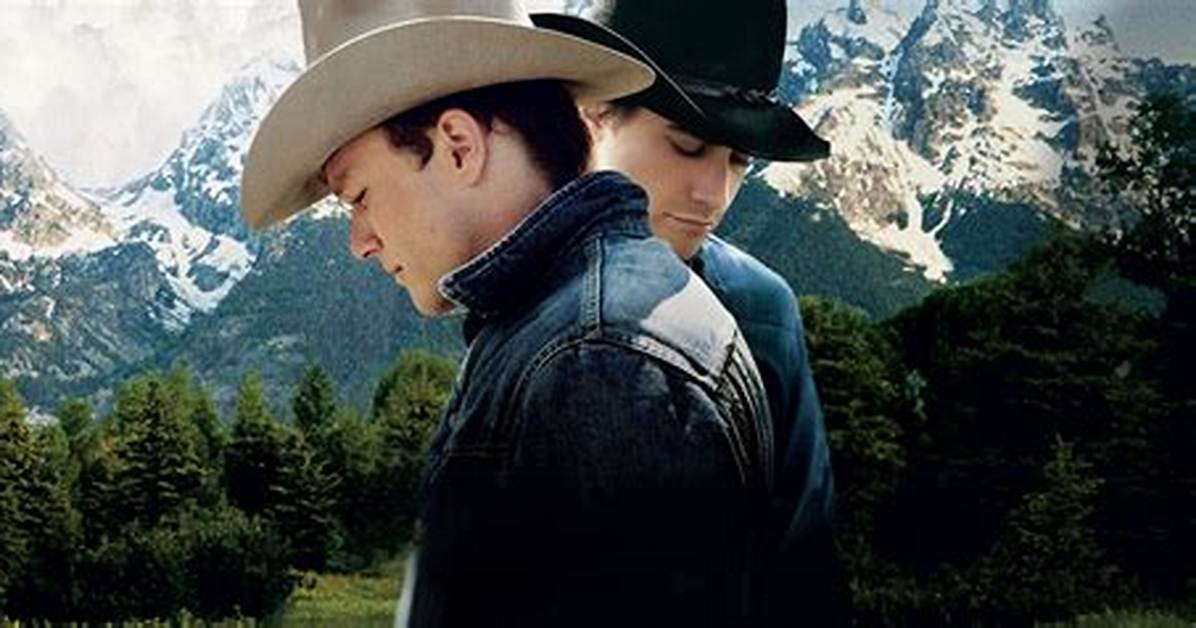
In the digital era, single scenes take on independent lives. The tent sequence and the devastating reunion scene four years later, where Ennis and Jack embrace against an apartment wall under the horrified gaze of Ennis's wife, Alma, are widely studied on digital video platforms. Online communities dissect Ledger's micro-expressions, the editing rhythm of Geraldine Peroni and Dylan Tichenor, and the deliberate blocking of the camera.
The long-term impact on Hollywood romance evolution cannot be overstated. Before 2005, major studio films relegated queer characters to campy sidekicks, tragic cautionary tales defined by disease, or predatory villains. Brokeback Mountain demanded that queer love be evaluated through the lens of high classical tragedy, on equal footing with Romeo and Juliet or Wuthering Heights.
That paradigm shift opened creative pathways for subsequent landmarks. Projects like Barry Jenkins's Moonlight, Luca Guadagnino's Call Me by Your Name, and historical television epics like Fellow Travelers owe an undeniable debt to the commercial and critical doors battered down by Ledger and Gyllenhaal. By taking their characters completely seriously, the actors dismantled an industry-wide taboo.
Alexander Ross has covered the video game industry for a decade, writing deep dives on game design, esports tournaments, VR developments, and gaming culture.
