Why Is a Dime Smaller Than a Penny? the Surprising Secret Behind Us Coin Sizes
 By Chloe Bennett
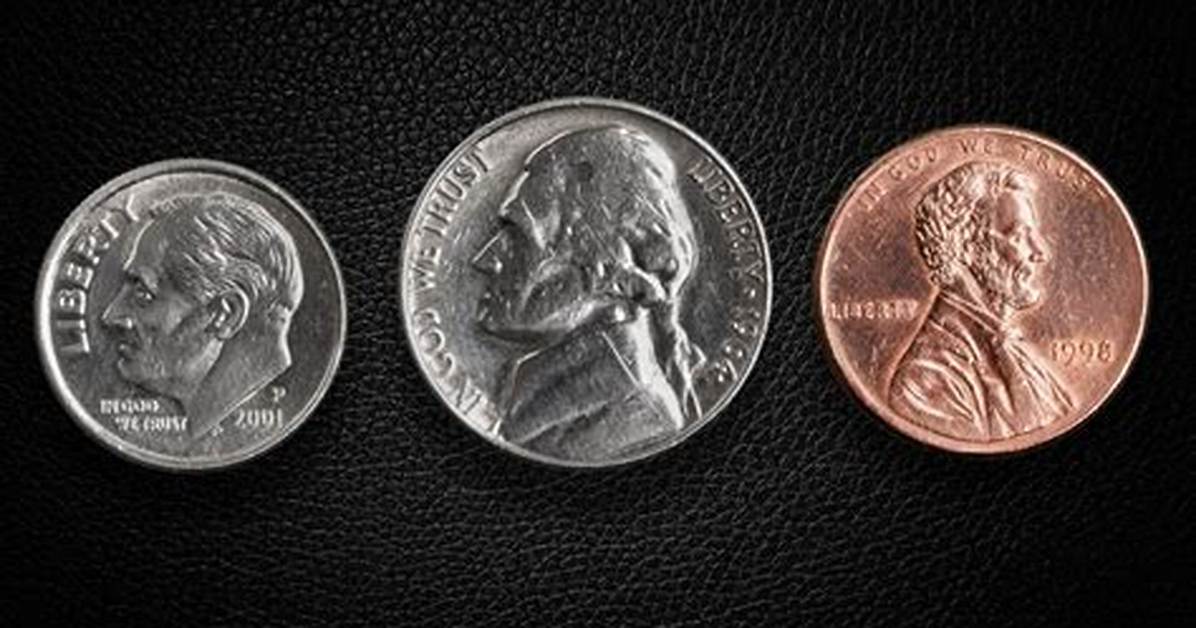
The physical footprint of the dime was decided by Alexander Hamilton and the founders through the Coinage Act of 1792. The young republic instituted a bimetallic standard based on gold and silver. Under this system, the purchasing power of money was inseparable from the physical mass of the precious metal in your hand.
A silver dollar contained 371.25 grains of pure silver (roughly 24.1 grams). Because a dime represented exactly one-tenth of a dollar, early mint directors were legally required to strike it with one-tenth of that silver mass: roughly 2.4 grams of silver alloy. Making the coin any larger would have meant debasing the currency or making it too thin to survive commercial transactions.
Pennies and five-cent pieces followed entirely different rules. Copper was not considered a precious monetary metal; it was an industrial base metal. The original 1793 large cent was massive, measuring over 26 millimeters across, because the government attempted to make its base metal weight roughly correspond to its nominal market worth. Even after Congress shrank the cent to its modern size in 1857, and introduced the cupronickel five-cent piece in 1866, both remained "token" coins. Their metal was worth less than their face value. The dime, however, remained bound to the strict physical scale of silver bullion for another century.
Chloe Bennett explores the intersection of pop culture, streaming entertainment, digital trends, and contemporary lifestyle. Her weekly commentary reaches thousands of culture enthusiasts.
