The Evolution of Black Comedy Icons: a Timeline from Club Circuits to Primetime
 By David Miller
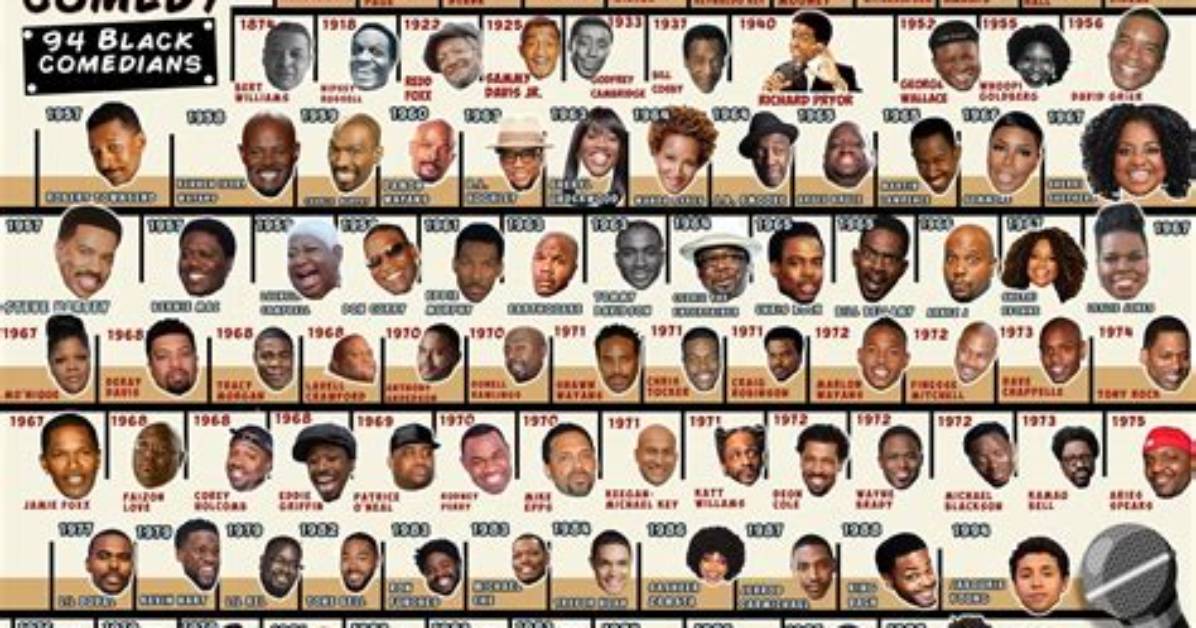
Few comedians altered the intellectual mechanics of comedy like Patrice O'Neal. Standing six feet four inches tall and weighing well over 300 pounds, O'Neal was an immovable force on stage at Greenwich Village's Comedy Cellar. Yet his comedy bypassed physical buffoonery entirely. O'Neal practiced philosophical dissection, drawing audiences into deeply uncomfortable conversations regarding human hypocrisy, gender dynamics, and racial tension.
O'Neal used his mass as psychological leverage. He hovered over the microphone, daring crowds to push back against his arguments. When his critically revered special Elephant in the Room dropped on Comedy Central in February 2011, it cemented his legacy: a towering intellect who refused to play the lovable, harmless giant that network executives routinely sought.
Lavell Crawford provided a distinct, equally brilliant contrast. Crawford, a native of St. Louis, turned physical comedy into athletic performance. On Last Comic Standing in 2007, Crawford moved with shocking agility, contorting his face, pitching his voice up to an operatic whine, and reenacting everyday domestic chaos. His physical comedy was grounded in familial observation, allowing him to command rooms without alienating them.
David Miller brings 15 years of experience in global economics, personal finance strategy, and market dynamics. He specializes in turning complex economic trends into actionable insights for everyday readers.
