Ohio Driver Speed Enforcement Guide: Camera Traps, Toll Safety, and Your Rights
 By Marcus Vance
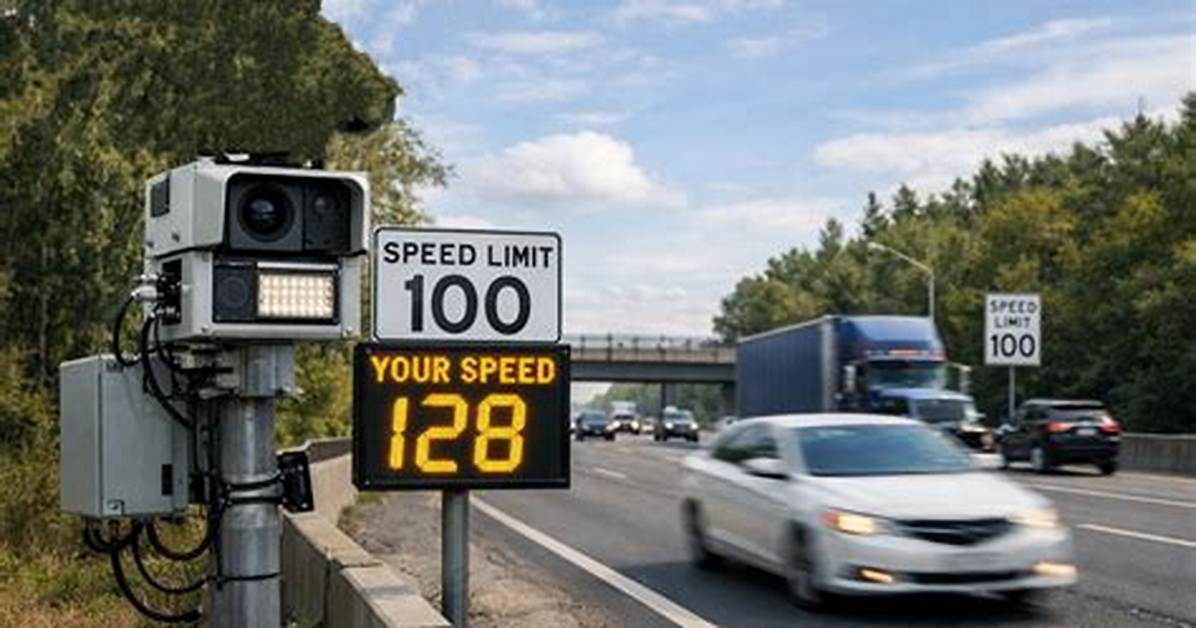
Ohio drivers encounter two fundamentally distinct enforcement frameworks. Moving violations issued by a human officer involve criminal misdemeanor traffic procedures. Citations generated by camera systems, by contrast, function under civil administrative law.
| Enforcement Parameter | Ohio State Highway Patrol (OSHP) | Municipal Automated Speed Cameras |
|---|---|---|
| Citation Classification | Criminal traffic misdemeanor | Civil administrative violation |
| License Points Assessed | 2 to 4 points on BMV record | 0 points (No BMV involvement) |
| Insurance Reporting | Reported; likely premium increase | Not reported to insurance bureaus |
| Adjudication Venue | Municipal or County Municipal Court | Administrative hearing officer |
| Non-Payment Penalties | Bench warrant, license suspension | Collections agency, tax refund offset |
The Ohio State Highway Patrol focuses primary resources on interstates and state routes, enforcing speed using vehicle-mounted radar, LIDAR, and aircraft pacing. Troopers must positively identify the driver behind the wheel. A citation written by a trooper carries statutory fines, mandatory court fees, and points assessed by the Ohio Bureau of Motor Vehicles (BMV). Accumulating 12 points within a two-year window leads to an automatic six-month license suspension.
Automated municipal systems bypass the driver identification requirement altogether. The camera captures a license plate, and the municipality mails a civil notice to the registered vehicle owner. Whether the owner was driving, a relative was behind the wheel, or the car was loaned out does not change the initial billing. Because the proceeding is civil, municipalities cannot issue warrants or suspend driving privileges for non-payment. Instead, delinquent accounts are referred to collection agencies or offset against municipal tax refunds.
Marcus Vance is a cybersecurity auditor and technology writer dedicated to educating the public about online safety, data privacy regulations, enterprise security, and emerging cyber threats.
