Fact-Checking the Almond Milk Trend for Cats: Safe Treat or Veterinary Trap?
 By James H. Sterling
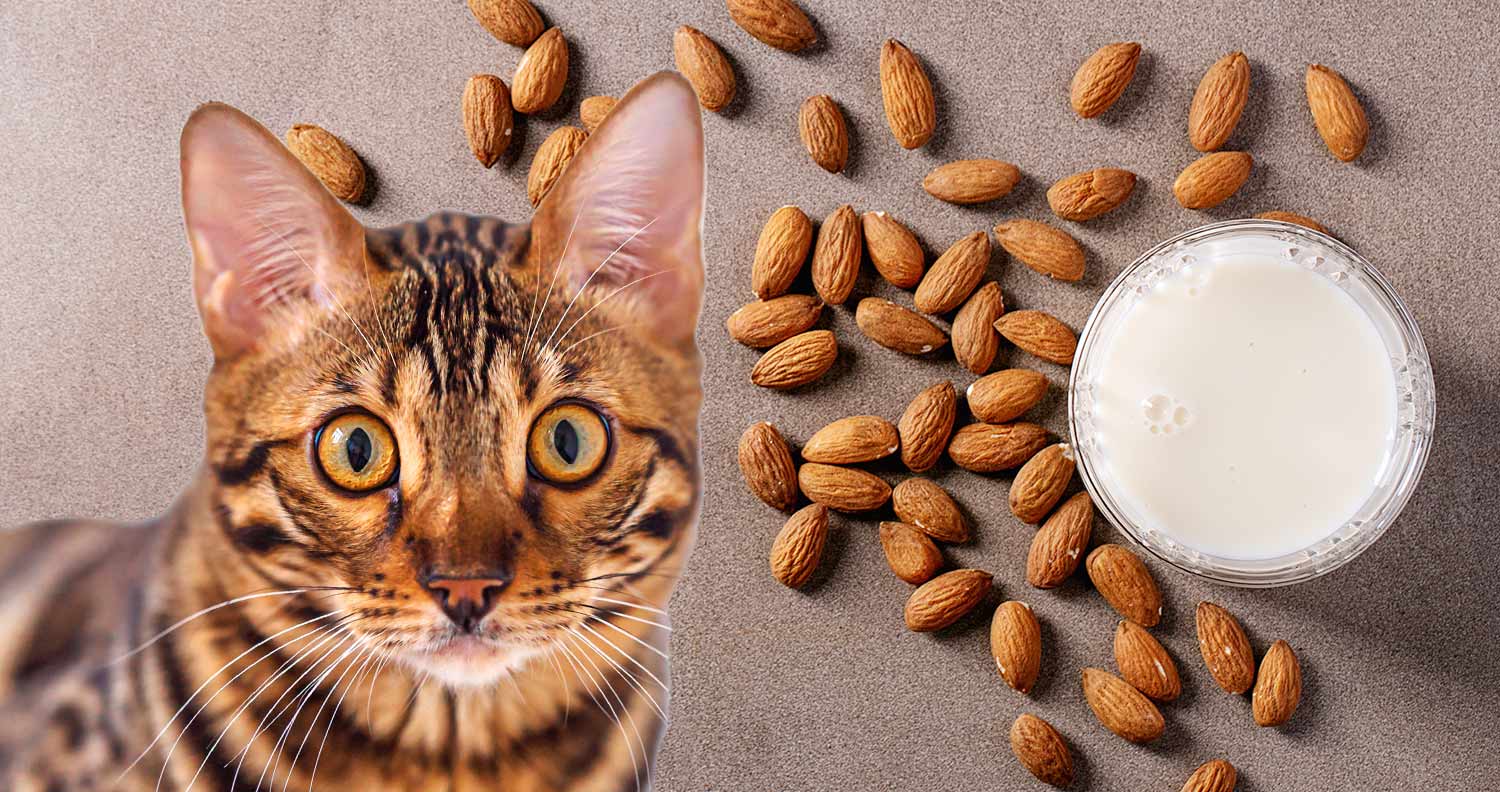
Videos featuring kittens lapping up iced lattes and oat froth rack up millions of views across TikTok and Instagram. Viewers assume that removing cow's milk makes the saucer harmless. The logic seems straightforward to an untrained eye: traditional dairy causes loose stool, so plant extracts must offer a cleaner, humane compromise.
Veterinarians push back aggressively against this lifestyle projection. Cats are strict, obligate carnivores. Their bodies evolved over millennia in arid landscapes, hunting small rodents and birds to extract concentrated animal protein, moisture, and essential amino acids like taurine and arachidonic acid. They possess zero evolutionary need, and zero physiological architecture, for plant-based milk alternatives derived from soaked nuts, grains, or seeds.
The cultural image of a cat lapping cream remains an enduring myth. In reality, weaning switches off the production of lactase, the enzyme responsible for breaking down milk sugars. Replacing that dairy bowl with processed nut water simply trades lactose intolerance in cats for an entirely different set of digestive disruptions.
James Sterling reports on renewable energy developments, climate policy, ecological conservation, and green tech innovations around the globe.
