Fact-Checking Coin Measurements: Is a Dime Exactly 17.91 Mm in Every Mint Year?
 By Chloe Bennett
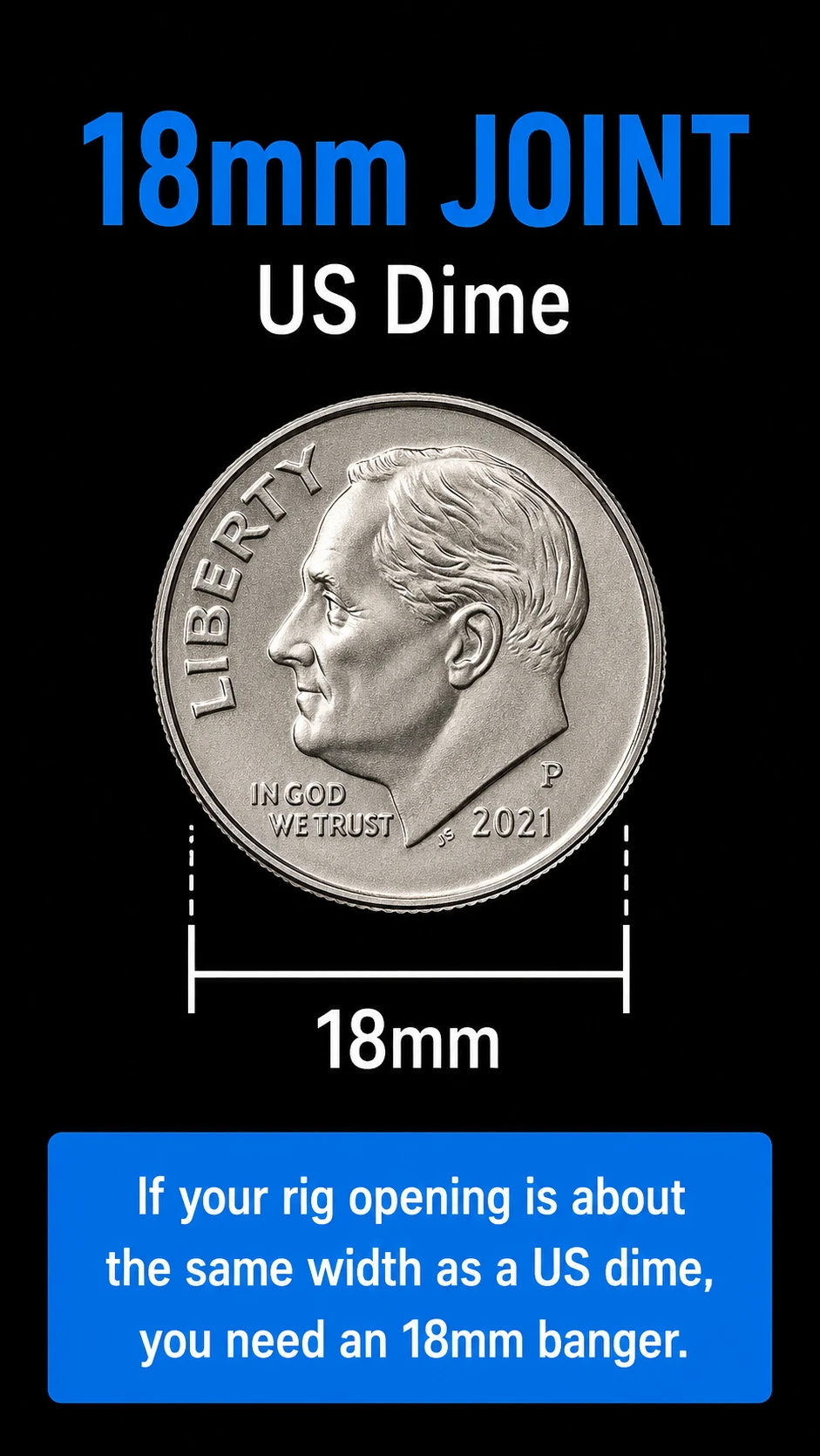
Turn a dime on its side, and you will see a serrated perimeter consisting of exactly 118 reeds. This reeded edge count is not decorative. In the late 18th century, merchants and citizens engaged in "clipping", filing tiny shavings of silver or gold from the edges of circulating coins before passing them along at full face value. The reeded edge made unauthorized shaving instantly obvious to anyone inspecting the coin's perimeter.
In modern automated cash management, edge reeding serves a mechanical purpose. Automated coin sorters and optical rejection sensors read three variables simultaneously: diameter, thickness, and electromagnetic signature. When a coin rolls down an inspection track:
The coin drops through calibrated mechanical gates where a discrepancy of 0.30 mm causes a physical jam or routes the object to a reject hopper. A foreign coin, such as a Canadian ten-cent piece, which measures 18.03 mm in diameter and 1.22 mm thick, will routinely hang up or fail the dimensional screening in older mechanical coin-op mechanisms. Counterfeits made of cast lead or zinc alloys fail not just on the scale, where the 2.268-gram baseline exposes them, but on the caliper, where cooling shrinkage leaves cast fakes under 17.80 mm.
Chloe Bennett explores the intersection of pop culture, streaming entertainment, digital trends, and contemporary lifestyle. Her weekly commentary reaches thousands of culture enthusiasts.
