Why Traditional Bounty Hunting Is Illegal in Florida: the Hidden Felony Risk
 By Elena Rostova
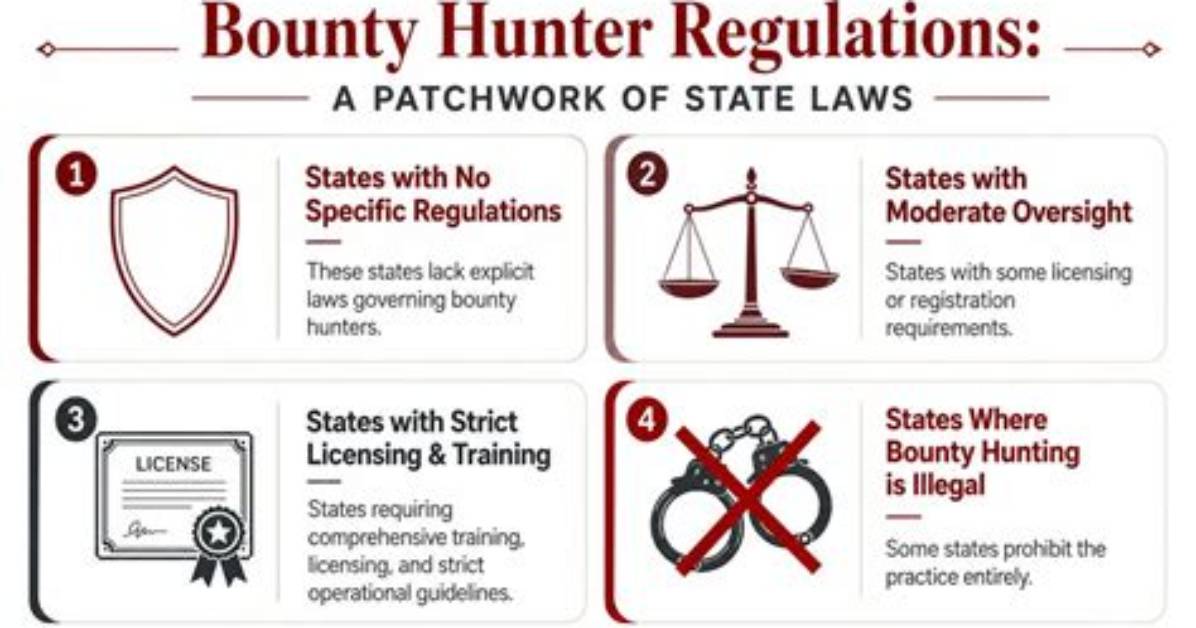
The widespread belief that an individual can purchase tactical gear, download an arrest warrant, and hunt human beings for cash collapses under Florida Statute Chapter 648. Florida completely dismantled private fugitive apprehension contracts. In states like California or Texas, specialized bail recovery agents operate under distinct certifications or statutory permissions. Florida took the opposite path.
Under Chapter 648, the authority to apprehend a defendant who defaulted on a bail bond belongs strictly to two entities: sworn law enforcement officers and licensed bail bond agents writing business through an authorized surety company. If a bail bondsman hires an unlicensed individual to locate and physically apprehend a defendant, both parties commit statutory crimes.
The state treats the bail bond contract not as an open bounty, but as a specialized insurance vehicle. When a defendant signs a bail agreement, they sign a contract with an insurer. When that defendant runs, the recovery process remains confined inside insurance law.
Elena Rostova holds a Master's degree in Public Health Journalism. She covers groundbreaking medical research, holistic wellness trends, mental health awareness, and nutritional science.
