Why the 'Forever Young' Axolotl Defies Everything We Know About Amphibians
 By Robert Thorne
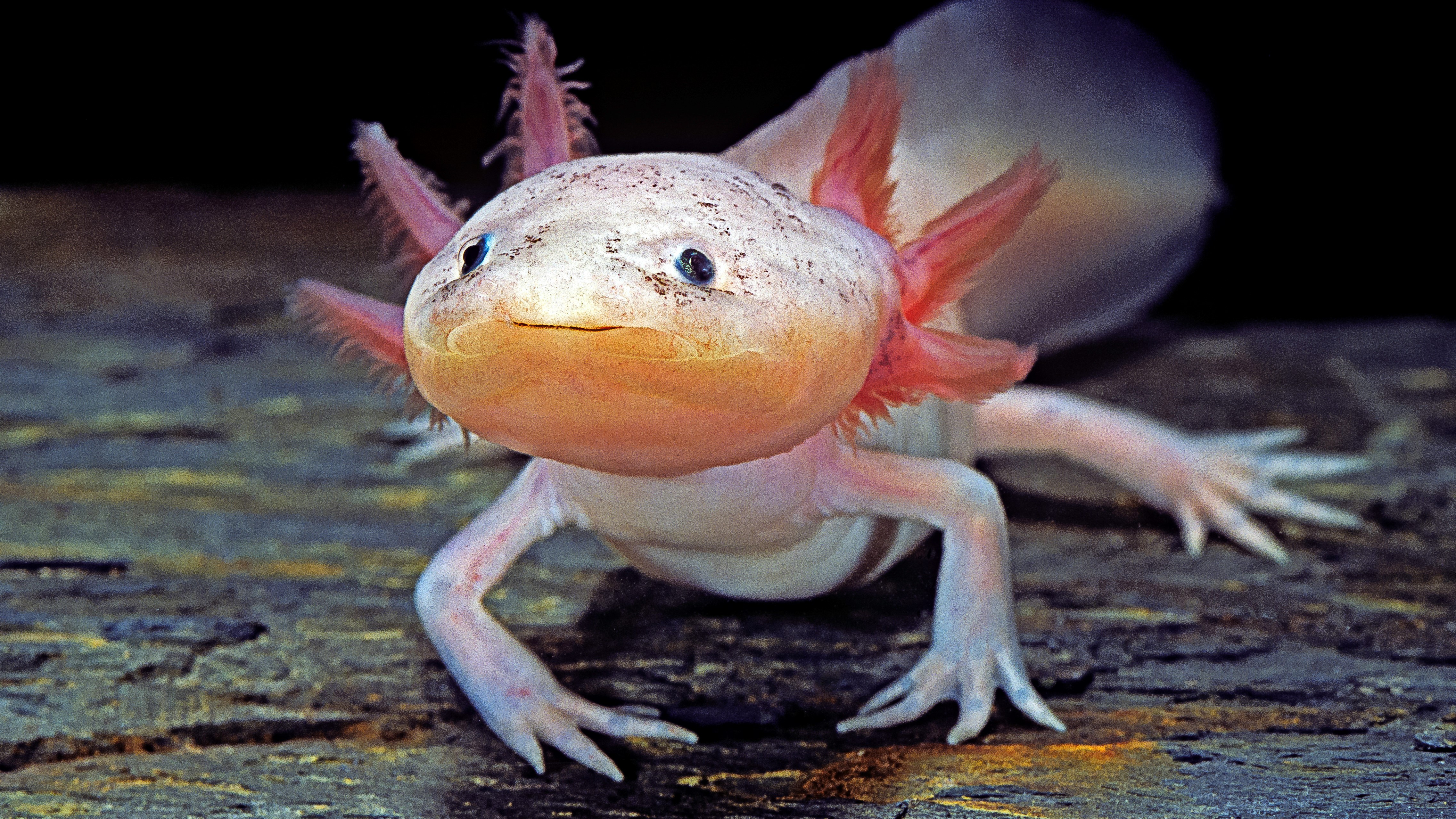
Amphibians earned their scientific name from the Ancient Greek amphíbios, meaning "living a double life." Frogs, toads, and standard salamanders execute this dual existence through an intricate hormonal shift. In typical aquatic salamander species, a surge of thyroxine triggered by thyroid hormone regulation orchestrates metamorphic climax. Gills dissolve. Skin thickens. Eyelids form, and primitive lungs expand to handle atmospheric oxygen.
The axolotl short-circuits this pipeline through neoteny, a specific form of paedomorphosis where juvenile physical traits persist into full sexual maturity. An axolotl develops viable ovaries or testes, produces viable gametes, and courts mates while retaining the wide head, finned tail, and filamentous, branched external gills of a week-old larva. Its pituitary gland produces insufficient thyroid-stimulating hormone (TSH), leaving the animal locked in stasis.
Evolution rarely tolerates mechanical failures unless they confer an immediate selective edge. High in the Valley of Mexico, ancestral tiger salamanders encountered the vast, predator-sparse waters of Lake Xochimilco and Lake Chalco. The surrounding volcanic plateau offered arid scrubland, scarce terrestrial prey, and volatile mountain climates. The deep, stable lakes provided abundant freshwater insects, mollusks, and smaller fish. Abandoning land allowed Ambystoma mexicanum to dominate an aquatic niche without burning energy restructuring internal organs for terrestrial survival.
Robert Thorne covers electric vehicle innovations, autonomous driving systems, global mobility trends, and automotive engineering developments.
