Why John Calipari's $125M Career Earnings Undermine His Call for Nil Reform
 By James H. Sterling
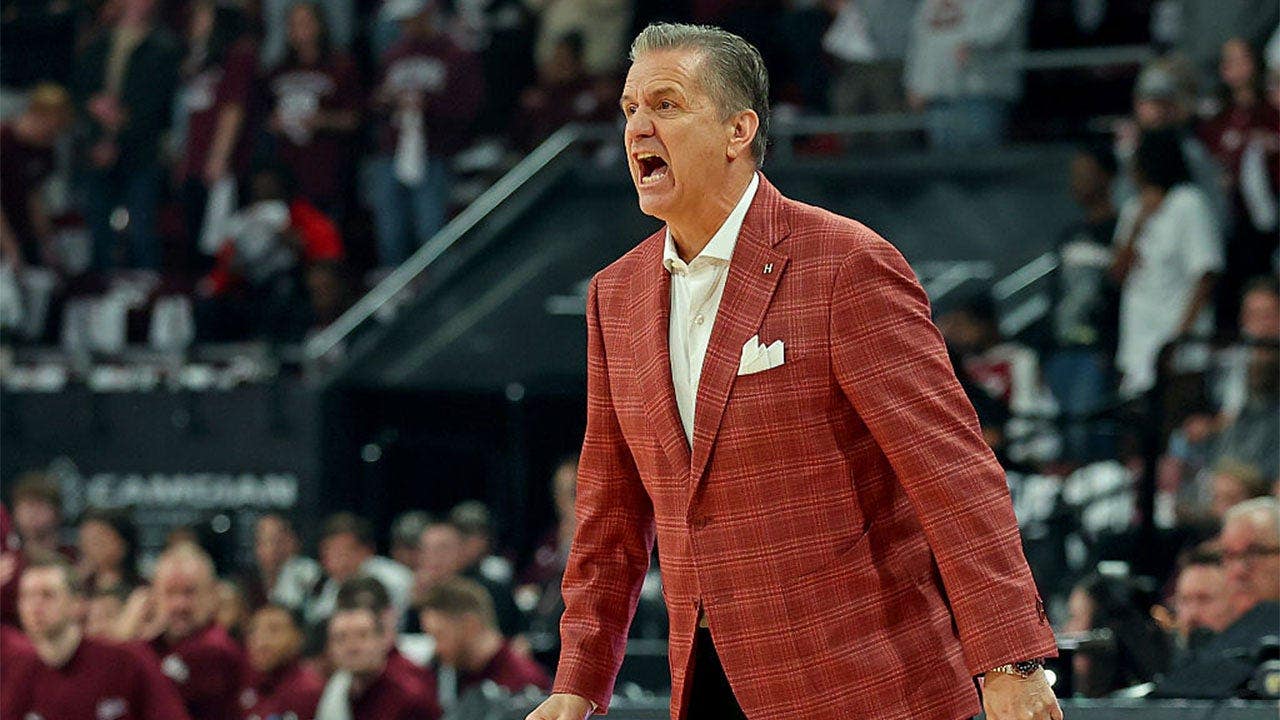
College basketball coaching salaries escalated unchecked because universities treated men's basketball and football as self-sustaining entertainment enterprises. When revenue surged through media distribution agreements, athletic directors invested in high-profile coaching contracts to market their athletic departments. Calipari was the premier beneficiary of this trend. At Kentucky, his long-term lifetime extension symbolized an institutional willingness to pay any price for competitive relevance.
That dynamic shifted violently when court settlements forced athletic departments into a revenue-sharing framework. Under the House v. NCAA settlement parameters, universities face an annual salary cap pool of approximately $20.5 million to $22 million spread across all sports. As institutions prepare to pay athletes directly, budget line items are coming under unprecedented scrutiny. Athletic directors cannot easily sustain $9 million coaching payrolls alongside $20 million player revenue pools without cutting non-revenue sports or squeezing staff salaries.
The tension Calipari described between player pay and assistant pay is simply market correction at work. In professional sports leagues, star players routinely make vastly more than their position coaches. An NBA assistant coach making $750,000 routinely coaches an All-Star making $45 million. Calipari's discomfort stems from the sudden arrival of professional market forces inside a system that spent a century prioritizing coaching power over player equity.
James Sterling reports on renewable energy developments, climate policy, ecological conservation, and green tech innovations around the globe.
