Why Educational Game Add-Ons Are Taking over Google Classroom Feeds
 By Chloe Bennett
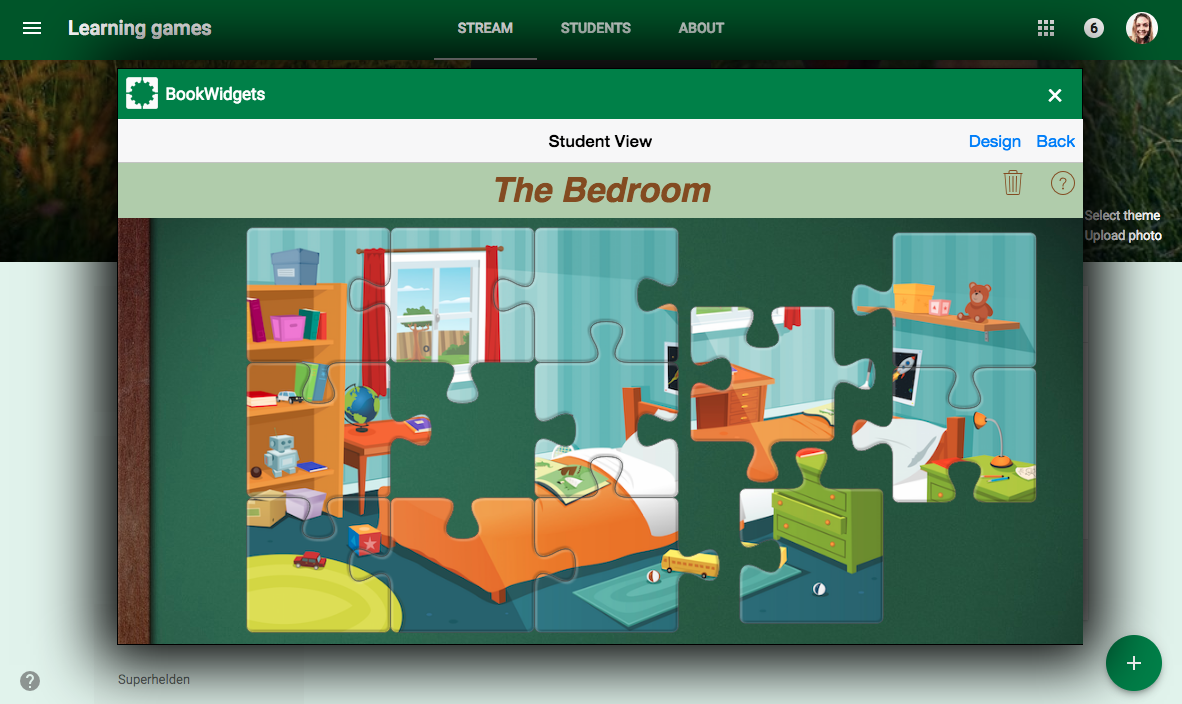
Despite their undeniable popularity, the widespread adoption of game add-ons has triggered sharp debate among educators. Discussions across forums like Reddit's r/Teachers reveal growing frustration with what many instructors call the "gamification treadmill." When every school assignment comes wrapped in cartoon sound effects and digital slot-machine rewards, students become resistant to quiet, reflective work.
Teachers note that students often learn how to game the software rather than learn the academic material. In fast-paced review games, kids frequently guess wildly, realizing that rapid-fire clicking gets them back to the chest-opening mini-game faster than careful reading. Speed takes priority over critical thinking.
There is also the problem of private monetization inside public classrooms. Freemium models, such as Prodigy's paid tiers, let paying parents unlock premium gear and mythical pets for their children's characters. When a paid subscriber rides an exclusive dragon into a class math battle, the socioeconomic divisions of the real world show up right on the classroom screen. District curriculum committees are facing pressure to re-evaluate whether these consumer models belong inside public school ecosystems.
Chloe Bennett explores the intersection of pop culture, streaming entertainment, digital trends, and contemporary lifestyle. Her weekly commentary reaches thousands of culture enthusiasts.
