What Would Leslie Knope Do? Real-World Lessons in Grassroots Activism
 By Marcus Vance
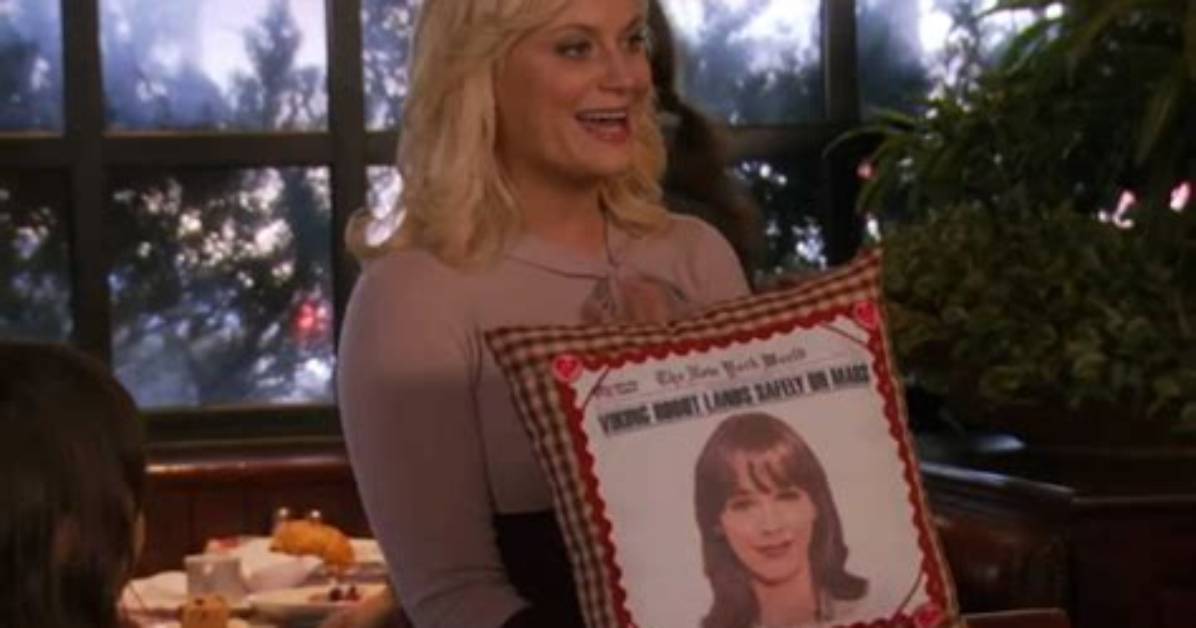
The first season of Parks and Recreation leaned heavily into cynical mockumentary tropes. Leslie Knope initially appeared oblivious, an earnest functionary trapped in a dead-end cubicle. By Season 2, the writers executed a deliberate course correction. They made Leslie competent. She was not a deluded bureaucrat; she was the most capable person in the room.
Pawnee, Indiana was an obstacle course of civic dysfunction. Residents shouted nonsensical grievances at public forums, corporate mega-conglomerates like Paunch Burger undermined public health initiatives, and private contractors prioritized kickbacks over safety. Leslie responded not with cynicism, but with institutional endurance. When confronted with an abandoned construction pit behind Ann Perkins' house, she did not wait for a federal mandate. She built a cross-departmental coalition, navigated zoning boards, and spent years turning an environmental hazard into a public park.
This narrative arc mirrored genuine community organizing principles. Change at the municipal level rarely arrives through sweeping ideological speeches. It happens in poorly lit committee rooms, through repetitive filings, and by surviving grueling public comment sessions where constituents complain about park sprinklers or raccoons. By taking those mundane indignities seriously, the show demystified the mechanical gears of local government.
Marcus Vance is a cybersecurity auditor and technology writer dedicated to educating the public about online safety, data privacy regulations, enterprise security, and emerging cyber threats.
