What Is Dynamite? Why Decades-Old Stashes Turn into Lethal Hidden Bombs
 By Maya Lin-Takahashi
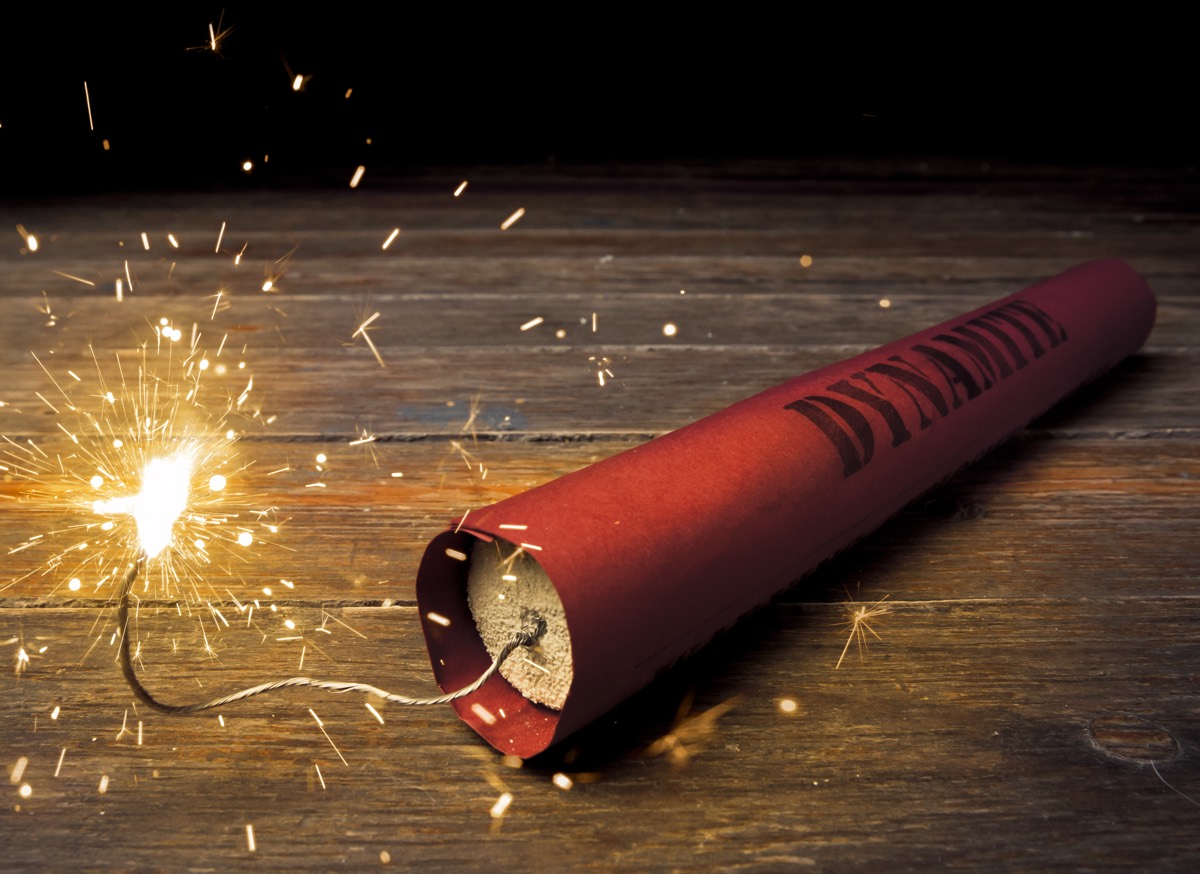
Before dynamite entered the global economy in 1867, industrial blasting was a suicide gamble. Liquid nitroglycerin, synthesized by Italian chemist Ascanio Sobrero in 1847, offered staggering shattering power, but its liquid state made it terrifyingly unpredictable. Dropping a vial, leaving it in direct sunlight, or carrying it over a rough carriage road caused sudden, catastrophic detonations.
Swedish chemist Alfred Nobel cracked the problem after years of experiments that claimed the life of his younger brother Emil in an 1864 factory blast. Nobel’s breakthrough was mechanical absorption rather than chemical alteration. He soaked raw nitroglycerin into kieselguhr, a fine, porous diatomaceous earth collected from sediment beds. The inert chalky powder acted as a microscopic sponge, absorbing three times its weight in oily nitroglycerin.
The resulting paste could be pressed into cardboard cartridges, stacked, dropped, and transported without exploding from ordinary handling. To ignite this desensitized compound reliably, Nobel invented the separate copper blasting cap, a small capsule packed with mercury fulminate ignited by a safety fuse or an electrical lead. The shock sensitivity of the absorbent paste was low enough that fire would burn it like wax; only the sharp, supersonic shockwave from a blasting cap could trigger full detonation.
Modern variations later swapped out inert kieselguhr for active binders. Blasting gelatin and "straight dynamite" blended nitroglycerin with nitrocellulose and combustible wood pulps enriched with sodium or potassium nitrate, maximizing the gas volume released during detonation. For nearly a century, this formula cleared railroad tunnels through granite ridges, gouged open copper pits, and fueled the rapid expansion of twentieth-century infrastructure.
Maya is a hardware enthusiast who tests and reviews smart home devices, smartphones, wearables, and audio gear. She focuses on practical consumer value and build quality.
