What Does Proxy Mean? the Definitive Guide to Tech, Slang, Business, and Everyday Use
 By Marcus Vance
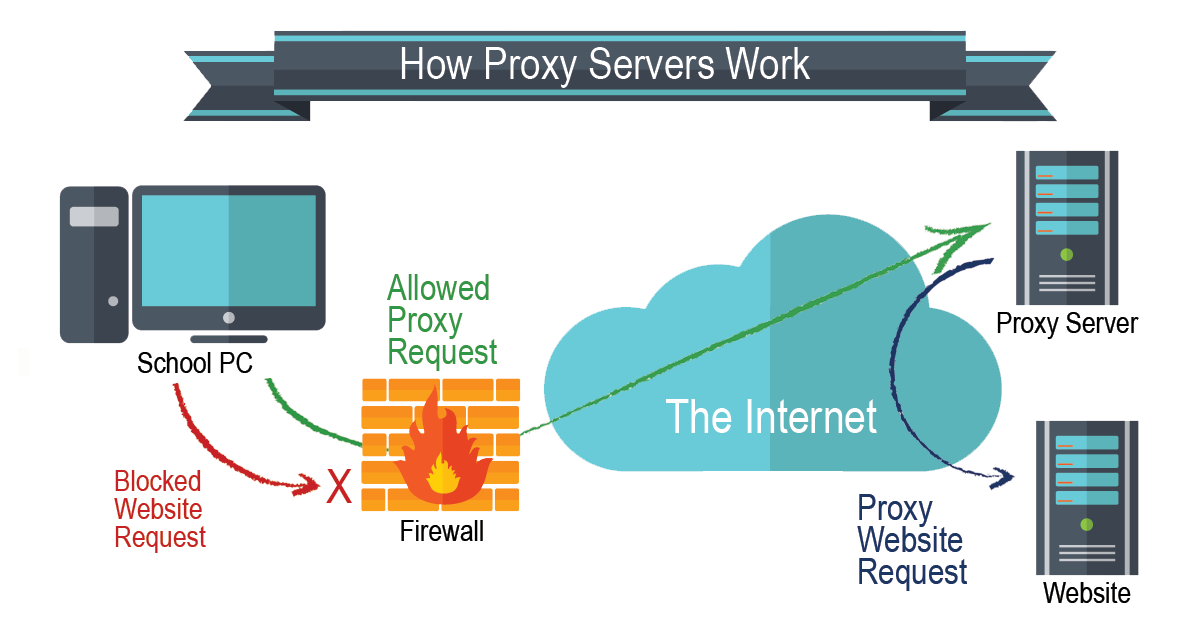
The terms "proxy" and "VPN" (Virtual Private Network) are often treated as interchangeable in consumer marketing. They are not. Both tools facilitate IP address masking and bypass localized geoblocks, but they operate at different layers of the networking stack and execute fundamentally different security tasks.
A proxy functions primarily at the application layer (Layer 7 of the OSI model). It handles requests generated by specific programs, such as your web browser or a torrent client, leaving background background services to connect over your normal, unmasked IP. Furthermore, standard HTTP proxies do not encrypt the traffic passing between your device and the proxy server itself unless an HTTPS connection is explicitly enforced.
A VPN operates at the operating system and network layer (Layer 3). When activated, a VPN creates an encrypted tunnel that routes every single packet leaving your device, from system update checks to background messaging syncs, through an encrypted transport protocol like WireGuard or OpenVPN.
| Core Dimension | Proxy Server (SOCKS5 / HTTP) | Virtual Private Network (VPN) |
|---|---|---|
| OSI Operating Layer | Application Layer (Layer 7) | Network / Transport Layer (Layer 3) |
| Scope of Traffic | App-specific (browser, designated client) | System-wide (all outbound device packets) |
| End-to-End Encryption | Optional; dependent on SSL/TLS target | Mandatory across the full client-to-server tunnel |
| Typical Latency Overhead | Low (minimal cryptographic processing) | Moderate to high (constant packet encryption) |
| Primary Enterprise Role | Caching, content filtering, web scraping | Secure remote access to internal private subnets |
For web scraping, data collection, and low-latency testing, proxies remain the superior option. They switch IP addresses rapidly across residential pools without the processing overhead of total tunnel encryption. Conversely, for protecting sensitive credentials over unencrypted public coffee-shop Wi-Fi, a VPN provides systemic security that an unencrypted application proxy cannot match.
Marcus Vance is a cybersecurity auditor and technology writer dedicated to educating the public about online safety, data privacy regulations, enterprise security, and emerging cyber threats.
