What Deer Prints in Snow Really Reveal About Your Backyard After Dark
 By Chloe Bennett
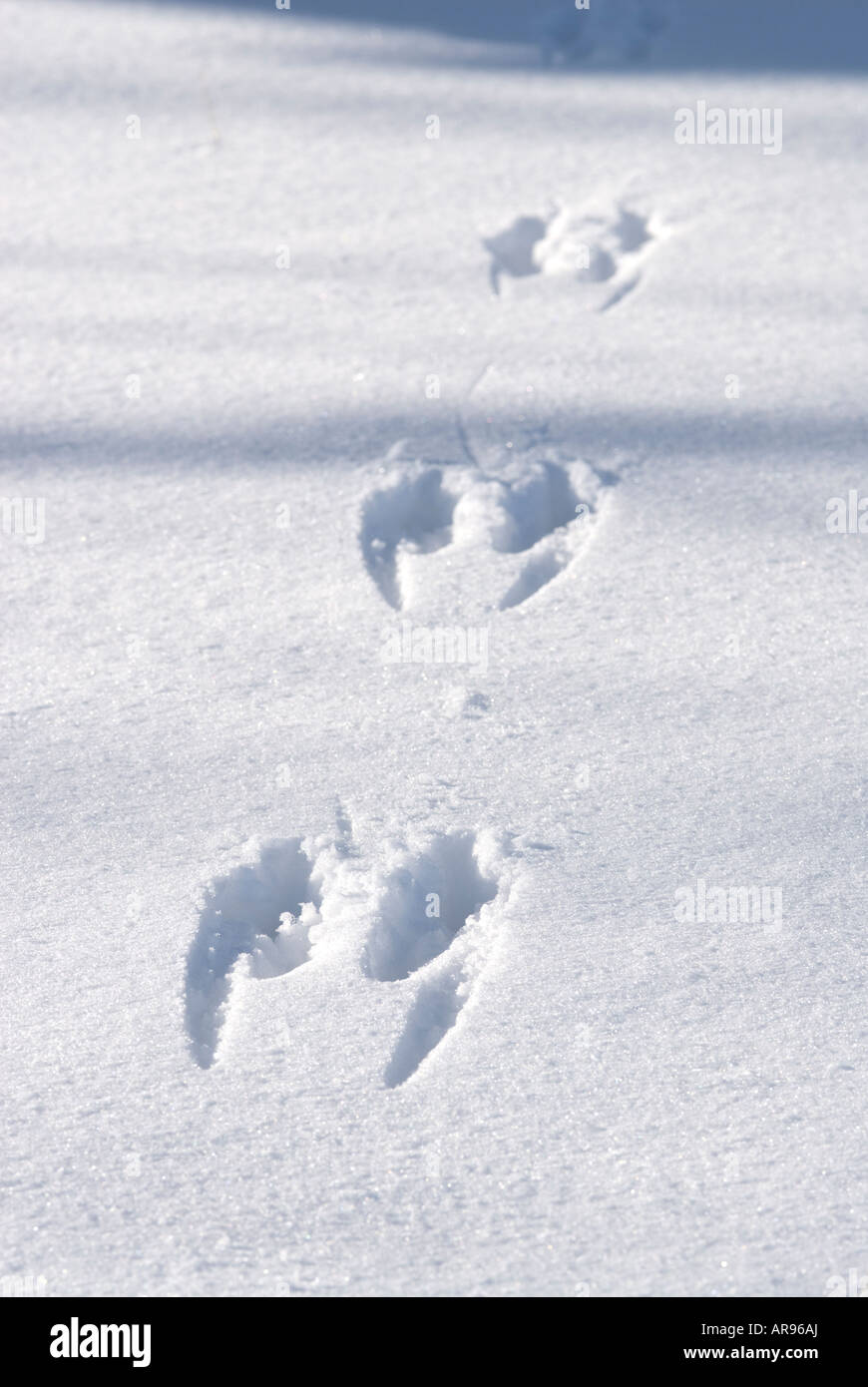
Winter transforms urban and suburban yards into critical cold-weather feeding zones. In mature hardwood forests, deep snow locks away acorns and ground vegetation. Suburbs offer cleared driveways, wind-sheltered fence lines, and non-native evergreen plantings packed with digestible moisture.
Backyard trail identification begins by tracing the transition from travel corridors to feeding patches. Deer move along structure lines: stone walls, woodlot edges, and unlit property lines. When tracks abruptly pause, cluster, and display random, uneven strides, the animal has shifted into active browsing mode.
Look closely at adjacent woody vegetation. Whitetail deer lack incisors on their upper jaw, pressing lower teeth against a hard, leathery upper palate to harvest twigs. This mechanical anatomy leaves a jagged, torn, fibrous tip on browsed branches. Rabbits and rodents, by contrast, possess sharp opposing incisors that cleanly slice off twigs at a neat 45-degree angle. If low-hanging twigs on fruit trees, hydrangeas, or yews appear frayed and crushed between two and five feet above the snowline, deer are systematically defoliating the yard.
Chloe Bennett explores the intersection of pop culture, streaming entertainment, digital trends, and contemporary lifestyle. Her weekly commentary reaches thousands of culture enthusiasts.
