Turning Plastic Trash into Gasoline: the Wild Chemistry Breakthrough Upending Big Oil
 By Elena Rostova
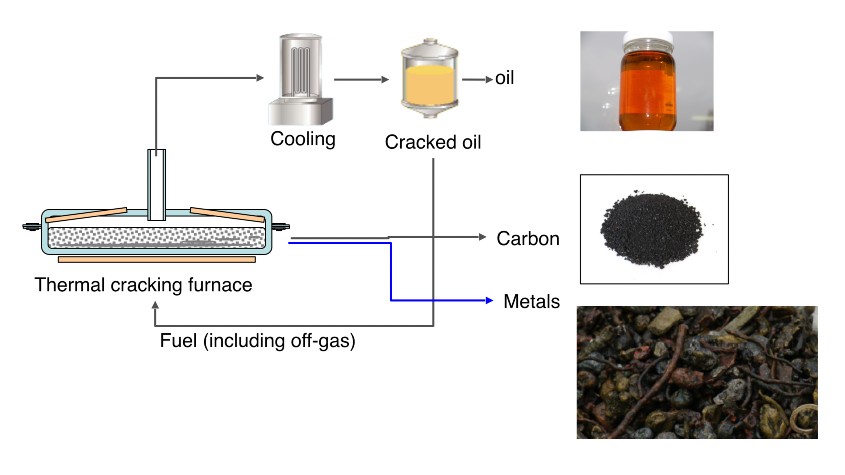
Laboratory samples are clean, virgin polymer pellets. Real municipal waste is a chaotic mixture of organic food sludge, metallic labels, plasticized PVC, and flame retardants. That gap between pristine bench trials and dirty curbside bins remains the most severe risk point for commercialization.
Polyvinyl chloride (PVC) is the arch-nemesis of chemical recycling. At temperatures above 200°C, PVC decomposes into hydrochloric acid. The resulting acid fumes corrode metal reactor vessels and instantly deactivate expensive transition-metal catalysts through chlorine poisoning. Mechanical sorting facilities relying on optical near-infrared cameras still let 1%, 2% PVC slip into the stream, enough to poison a continuous-flow reactor within weeks.
Pre-treatment infrastructure demands substantial capital expenditure. Companies currently scaling pilot plants in Texas and the European Union are spending up to 35% of their facility budgets solely on automated wash lines, solvent delamination tanks to remove printed inks, and catalytic chlorine capture guards. Petrochemical giants are testing co-processing strategies, feeding 5%, 10% purified plastic-derived syncrude into existing fluid catalytic cracking (FCC) refinery towers alongside fossil crude, avoiding the cost of building brand-new greenfield fuel plants from scratch.
Elena Rostova holds a Master's degree in Public Health Journalism. She covers groundbreaking medical research, holistic wellness trends, mental health awareness, and nutritional science.
