The Resurgence of Nupe Culture: from Imperial History to Modern Film Showcases
 By Sophia Al-Mansoor
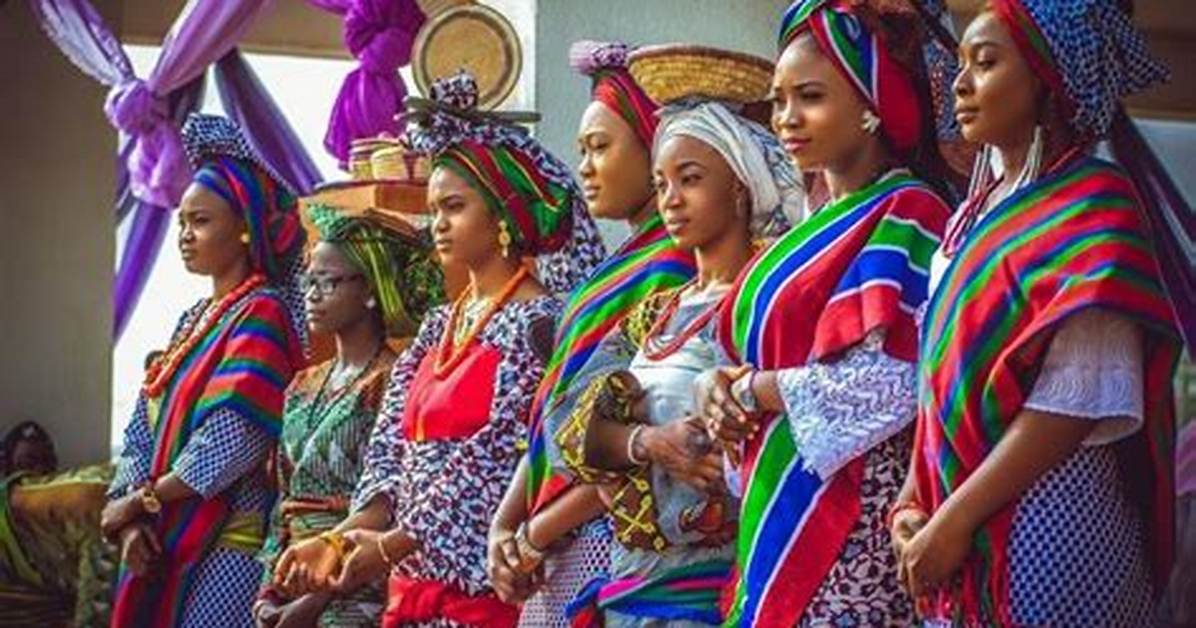
The political architecture of Nupe Kingdom history owes its foundational mythology and organizational blueprint to Tsoede, also venerated as Edegi. According to oral records and court histories preserved in Bida, Tsoede was an Idah prince born around the late 15th century to an Igala father and a Nupe mother. Returning upstream to his maternal homeland, he unified fractured riverine chiefdoms into a centralized, expansionist kingdom.
Tsoede introduced radical political and technological innovations. He established a sophisticated centralized administration overseen by a supreme monarch, the Etsu. Court tradition credits him with introducing state insignia that survive to this day, including bronze war canoes, royal trumpets (kakaki), and heavy iron chains utilized as symbols of judicial sovereignty. Under his rule, the early Nupe capital at Nupeko, and later regional seats such as Gbara, became heavily fortified political powerhouses.
By the 18th century, Nupe had constructed an expansive military apparatus. Its specialized cavalry forces operated across the savannah, while batache flotillas patrolled the Niger and Kaduna rivers. European explorer accounts, notably those of Mungo Park and later Richard Lander, documented a centralized state that maintained structured taxation systems, international diplomacy, and complex bureaucratic courts long before direct British colonial intervention disrupted local governance.
Sophia analyzes international trade, startup ecosystems, retail transformation, and supply chain logistics for modern digital publications.
