The Evolution of the Dime: from 1796 Draped Bust to Modern Roosevelt Specs
 By Alexander Ross
By early 1964, rising worldwide industrial demand pushed silver prices above $1.29 per troy ounce. At that price threshold, the raw silver inside circulating dimes, quarters, and half dollars was worth more melted down than spent at face value. Silver hoarders swept coins out of cash registers across the country, threatening nationwide retail commerce.
President Lyndon B. Johnson signed the Coinage Act of 1965 on July 23, 1965, removing silver from circulating dimes and quarters. The Mint faced a major engineering hurdle: the new non-precious coins had to match the electrical conductivity, size, and weight tolerances of existing vending machines and transit turnstiles without jamming mechanisms.
Engineers engineered a composite sandwich. They clad two outer sheets of 75% copper and 25% nickel around a core of 100% pure copper. The total alloy composition equaled 91.67% copper and 8.33% nickel.
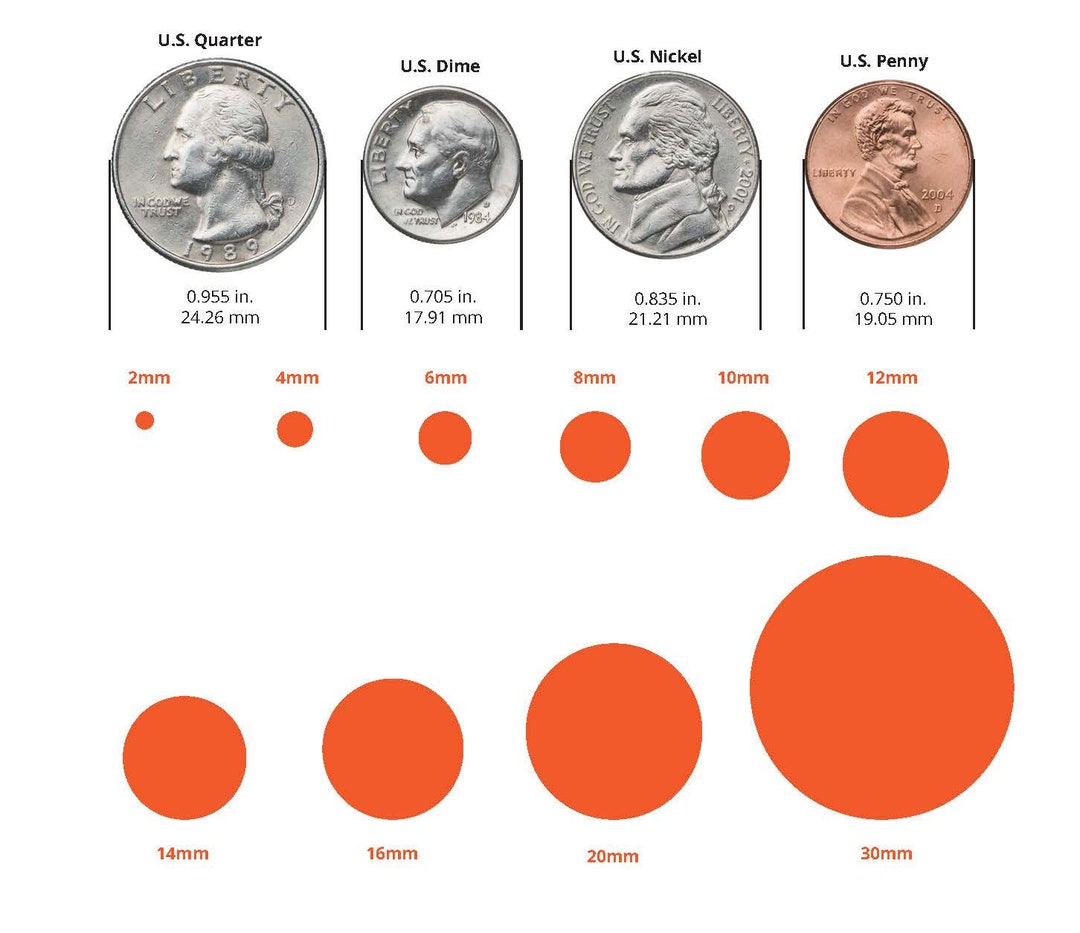
The new clad structure dropped the dime's legal weight from 2.50 grams down to 2.268 grams, a measurable 9.3% reduction in mass. Yet the diameter (17.91 mm) and thickness (1.35 mm) stayed identical to ensure seamless operation across every mechanical coin acceptor in North America.
Alexander Ross has covered the video game industry for a decade, writing deep dives on game design, esports tournaments, VR developments, and gaming culture.
