The Bourbon Street Illusion: Why Mardi Gras Isn't What Pop Culture Promised
 By Sophia Al-Mansoor
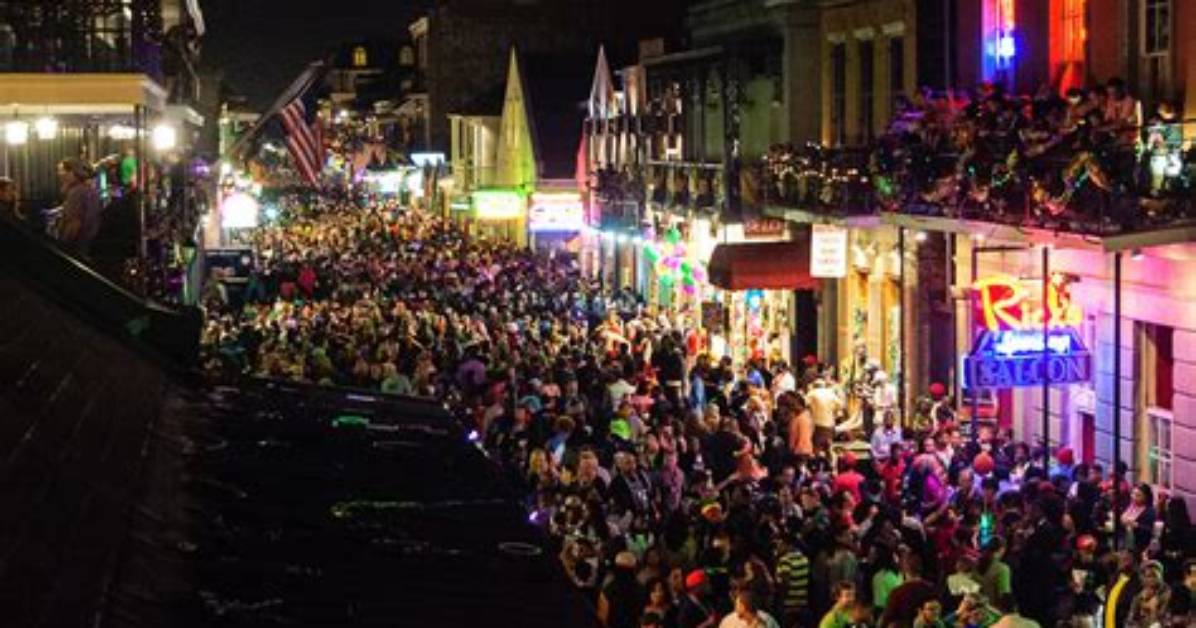
For more than a century after the Mistick Krewe of Comus first rolled through town in 1857, flashing flesh for festival trinkets was functionally nonexistent. Carnival was rooted in Roman Catholic pre-Lenten feasts, social subversion, and high-society masquerade balls. Float riders distributed small sweets, paper favors, and eventually glass beads imported from Czechoslovakia. Spectators hollered the ubiquitous call: "Mister, throw me something!" No physical barter was expected or offered.
The shift took root in the mid-1970s as national media outlets began zeroing in on the raucous behavior of out-of-towners in the French Quarter. According to cultural historians and longtime residents documented by local outlets like NOLA.com, early instances of balcony voyeurism were sporadic and provoked swift pushback from old-line locals.
The true tipping point came in the late 1990s. The explosion of portable camcorders and direct-response infomercial brands like Girls Gone Wild turned Bourbon Street into an industrial production set. Camera crews actively solicited drunken out-of-state tourists to expose themselves in exchange for cheap metallic-coated plastic necklaces that cost importers less than $0.15 per gross.
National broadcasts framed this transactional behavior as the defining pulse of New Orleans. In reality, it was a self-fulfilling tourist loop. Visitors flew in, drank high-octane frozen cocktails out of novelty cups, and performed precisely the behavior they had watched on television, believing they were honoring local custom.
Sophia analyzes international trade, startup ecosystems, retail transformation, and supply chain logistics for modern digital publications.
