Spackle vs Drywall Compound: What Construction Experts Actually Recommend
 By Robert Thorne
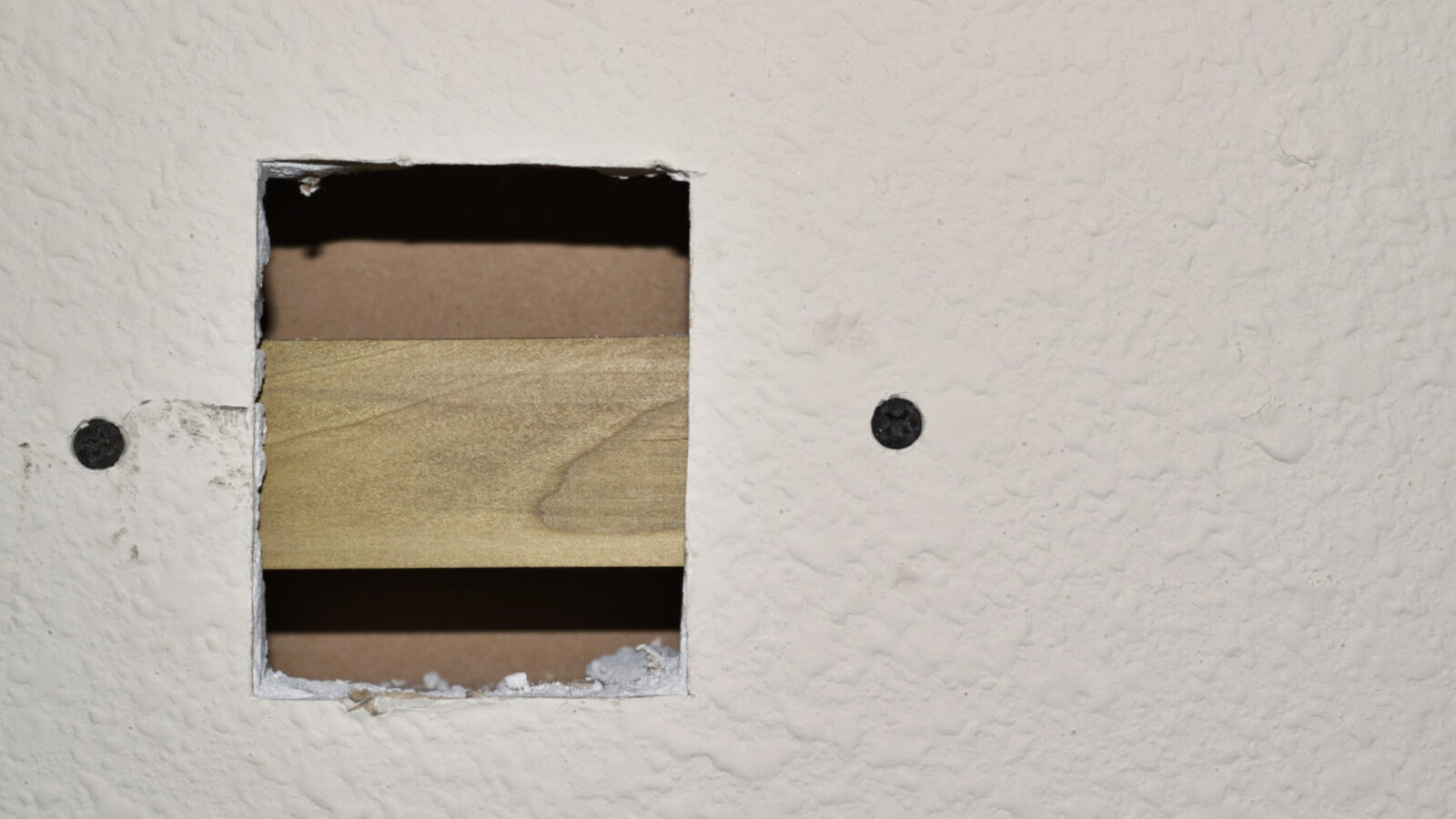
Drywall finishers encounter the same disaster weekly: a homeowner patched a gouge or taped an entire seam using the wrong tub, only to watch paint flash or crack along the perimeter. The confusion stems from visual similarity. Both compounds dry to an off-white chalky finish, both spread with a putty knife, and suppliers often shelf them side by side.
The failure happens beneath the surface. Spackle contains elastic binders, often acrylic or polyvinyl acetate, mixed with microscopic hollow microspheres. It dries quickly because the moisture evaporates from a lightweight mass designed to fill a cavity without slumping. Joint compound, or all-purpose drywall mud, contains heavy minerals, principally gypsum, calcium carbonate, and attapulgite clay. It requires hours to dry by moisture loss or minutes through chemical crystallization, creating a hard, sandable substrate that integrates with the paper face of gypsum wallboard.
When someone tries taping and finishing a wall seam with lightweight spackle, the paste lacks the tensile adhesion required to lock the paper or fiberglass mesh tape to the drywall. The first seasonal temperature shift creates hairline cracks along the studs. Conversely, packing standard mud deep into an anchor hole causes severe shrinkage and cracking as the water evaporates, requiring three separate visits to fix a single nail pop.
Robert Thorne covers electric vehicle innovations, autonomous driving systems, global mobility trends, and automotive engineering developments.
