Serrated Blade Vs. Chef Knife: Visual Test Proves the Cleanest Way to Cut Tomatoes
 By Chloe Bennett
Large beefsteak varieties present broad cross-sections with multiple radial chambers. Cutting them horizontally exposes these chambers completely. If done incorrectly, the seeds and surrounding jelly detach from the core, leaving a limp rim of flesh that makes bread soggy.
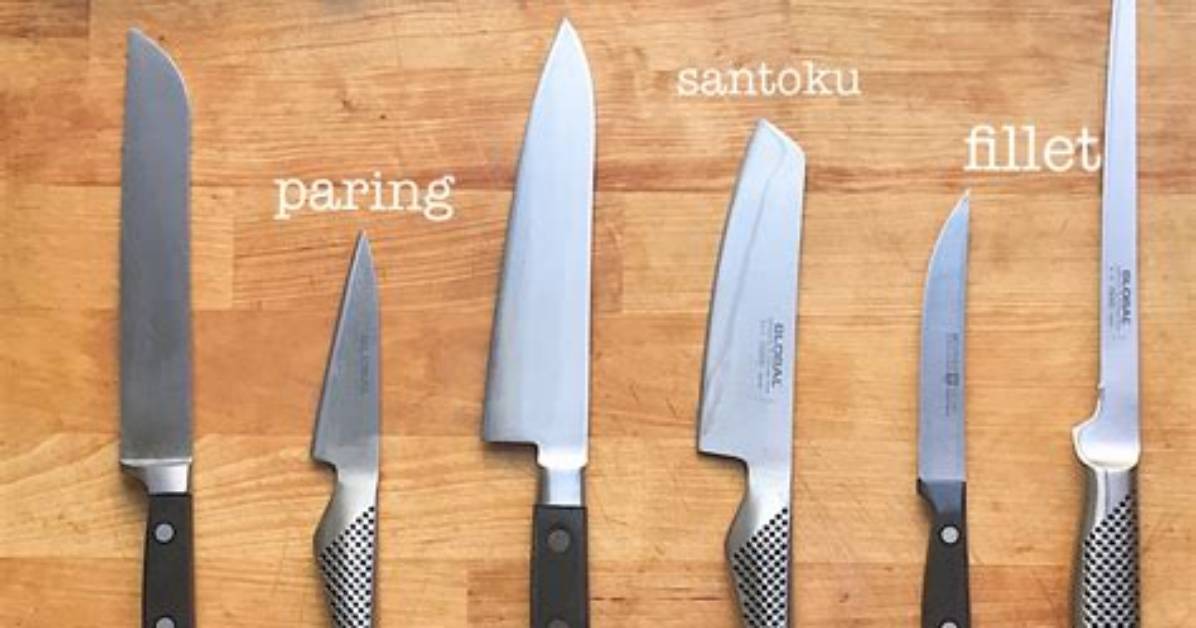
Stabilize the cutting board using a damp paper towel or silicone mat underneath to prevent dangerous shifts during prep. Grip the fruit gently with your non-dominant hand curled into a loose claw, keeping fingertips tucked behind knuckles. Instead of cutting directly through the top pole, rotate the tomato onto its side. Position your serrated utility knife or freshly stropped chef knife near the base.
Draw the blade across the fruit using the full length of the steel. Let the weight of the knife do the cutting. If using a chef knife, pierce the skin first using the sharp skin piercing tip before initiating a smooth pull stroke toward the heel. Never chop straight down. Aim for uniform slices between quarter-inch and half-inch thickness, maintaining the natural internal scaffolding that holds the tomato together.
Chloe Bennett explores the intersection of pop culture, streaming entertainment, digital trends, and contemporary lifestyle. Her weekly commentary reaches thousands of culture enthusiasts.
