Robert Eads Timeline: from Rural Georgia Community to Landmark Transgender Icon
 By Sophia Al-Mansoor
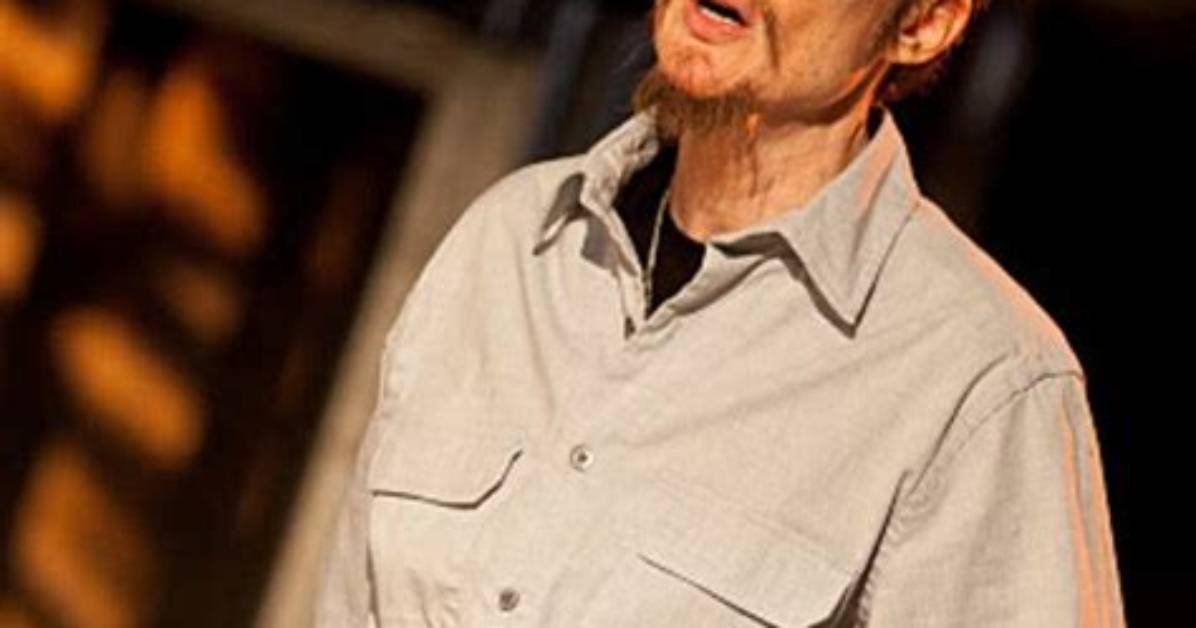
Born in 1945, Robert Eads lived an outwardly traditional mid-century Southern life for decades. He married a man, bore two sons, and navigated the expectations of rural Georgia before coming out as a lesbian in his thirties. Yet internal incongruity persisted. In the late 1980s, long before digital networks offered shared vernacular or instructional guides for medical transition, Eads began researching female-to-male hormonal protocols. He initiated testosterone therapy in his late forties, steadily transforming physically while remaining rooted in Habersham and Stephens counties.
Popular media historically depicted transgender existence as a phenomenon confined to progressive urban centers like San Francisco or New York. Eads thoroughly upended that urbanite narrative. He chewed tobacco, wore denim work shirts, restored classic trucks, and built a homestead framed by the Blue Ridge Mountains. His neighbors in Toccoa knew him simply as a quiet, capable tradesman. In a region marked by conservative social values, Eads carved out an authentic life without relinquishing his Appalachian cultural heritage.
Isolation remained an ongoing hazard. To counter it, Eads formed an informal communal enclave that met regularly for barbecues, holiday dinners, and mutual aid. Among this circle was Lola Cola, a transgender woman and former university administrator with whom Eads fell deeply in love, alongside younger trans men like Maxwell and Cas who looked to Eads as an elder and mentor. In an era when transmasculine visibility in America was virtually non-existent, Eads anchored an intentional support system sustained by shared survival.
Sophia analyzes international trade, startup ecosystems, retail transformation, and supply chain logistics for modern digital publications.
