Micellar Water Vs. Cleansing Balms: What Actually Removes Waterproof Eyelash Adhesive?
 By Maya Lin-Takahashi
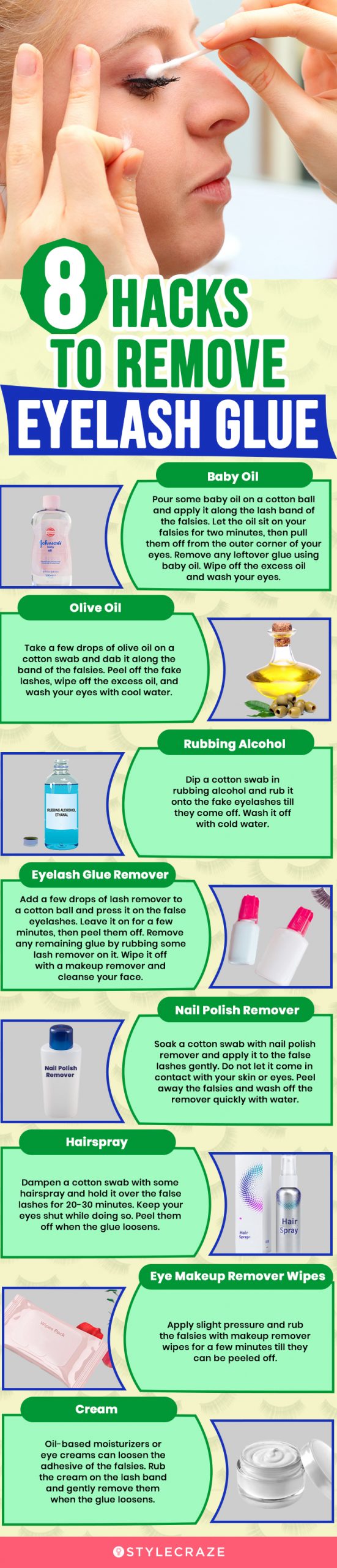
The gap between micellar water and an oil-based makeup remover becomes obvious under close examination. Standard micellar formulas carry roughly 90% to 95% water by volume. Even dual-phase micellar waters, which feature a floating layer of cyclopentasiloxane or mineral oil, deliver only a fraction of the solvent power found in dedicated lipid cleansers. Shaking a bi-phase bottle creates an unstable emulsion that separates quickly, leaving too little active oil behind to penetrate the glue layer.
A cleansing balm works completely differently. Typically formulated with ester bases like ethylhexyl palmitate, caprylic/capric triglyceride, and targeted plant oils, balms stay solid at room temperature and melt on contact with skin heat. This thick, buttery texture keeps the active lipids directly on the adhesive without dripping into the eye. The concentrated fatty esters dismantle the glue's acrylic polymer matrix.
Patience plays a decisive role here. Glues require dwell time. A cotton swab saturated with an oil-rich formula must sit directly over the strip band for at least 30 to 45 seconds. This window allows the lipids to migrate through the glue film. Once softened, the false lash glides away freely, leaving the natural roots intact.
Maya is a hardware enthusiast who tests and reviews smart home devices, smartphones, wearables, and audio gear. She focuses on practical consumer value and build quality.
