Mica Powder in Water: Capturing Stunning Rheoscopic Flow in Motion
 By James H. Sterling
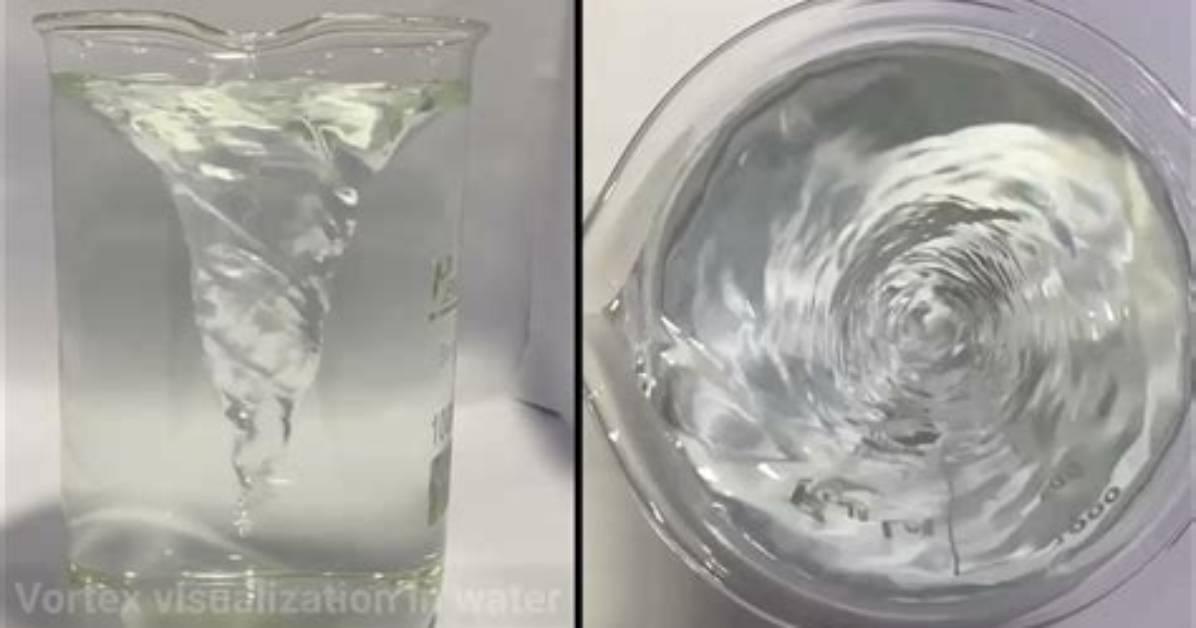
Creating an enduring rheoscopic display requires meticulous mixing to eliminate bubble entrapment and prevent microbial bloom over long storage periods. Air bubbles inside the bottle scatter light haphazardly, overpowering the subtle reflectance of aligned mica platelets.
For a durable 500 mL display vessel, gather:
- 325 mL distilled water (avoid tap water to prevent mineral crusting and algal growth)
- 175 mL 99.7% pure vegetable glycerin
- 0.6, 0.8 grams white or silver cosmetic grade mica (particle size: 10, 40 µm)
- 2 drops concentrated clear liquid dish soap or wetting surfactant
- 3, 5 mL 91% isopropyl alcohol
Begin by placing the dry mica into a clean glass beaker. Add the isopropyl alcohol directly onto the powder, swirling until the mixture forms a completely smooth, clump-free gray paste with zero dry pockets. Pour the distilled water into the slurry slowly, stirring continuously to disperse the pigment evenly.
Next, gently pour in the vegetable glycerin along the side of the beaker to minimize bubble formation. Stir with a slow, circular motion using a flat spatula rather than a wire whisk. Whisking whips thousands of micro-bubbles into the mixture that can take days to clear. Finally, add the drops of surfactant and transfer the solution to the final glass or rigid PET container.
Fill the container to the absolute brim. Eliminating the air headspace prevents sloshing that creates unwanted froth during agitation. Seal the cap securely using cyanoacrylate adhesive or marine-grade silicone around the thread interface.
James Sterling reports on renewable energy developments, climate policy, ecological conservation, and green tech innovations around the globe.
