Major Carrier Unlock Policy Rules: At&T, Verizon, and T-Mobile Explained
 By Maya Lin-Takahashi
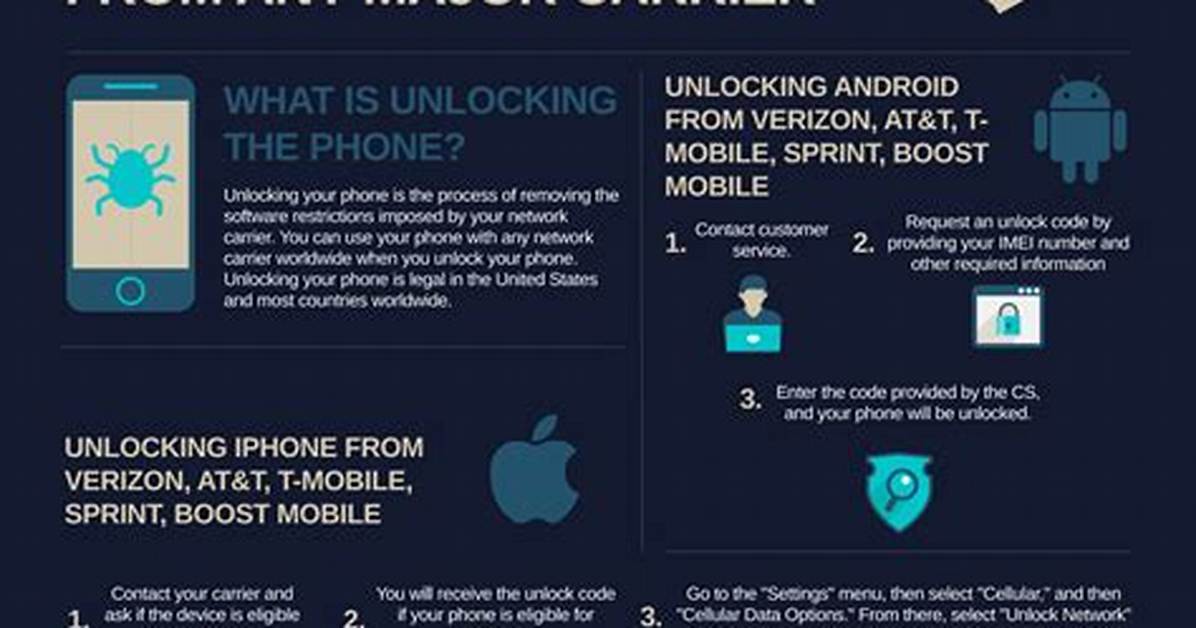
Securing an authorization code or remote profile update requires navigating distinct bureaucratic thresholds. Each carrier maintains its own criteria for release, and a single missed payment resets your eligibility clock.
AT&T operates the strictest manual protocol. The carrier never initiates an automated unlock for consumer equipment. You must submit an explicit request through the web-based AT&T device unlock portal. The conditions are absolute: your installment agreement must show a zero balance, the account must be active for at least 60 days (or 6 months for prepaid), and the hardware cannot be flagged for fraud or loss. Early payoffs carry a specific trap: paying off your device early requires waiting 48 hours after processing before the portal system recognizes the updated balance.
Verizon now requires the paid-off device requirement before removing digital shackles on financed hardware. While paid-in-full retail units still clear automatically after a standard fraud-check window, any customer carrying monthly hardware debt faces prolonged carrier control. Once the balance hits zero, the remote clearance pushes over-the-air without user intervention within 24 to 48 hours.
T-Mobile network unlock eligibility relies on a combination of time and debt clearance. For postpaid accounts, your device must be active on the network for a minimum of 40 days, accompanied by a fully cleared balance. Prepaid users must wait a full calendar year or show over $100 in service refills. T-Mobile executes the unlock remotely once these conditions are met, eliminating manual codes on modern hardware.
Maya is a hardware enthusiast who tests and reviews smart home devices, smartphones, wearables, and audio gear. She focuses on practical consumer value and build quality.
