Mads Mikkelsen in the Hunt (2013): Inside His Best Actor-Winning Masterpiece
 By Chloe Bennett
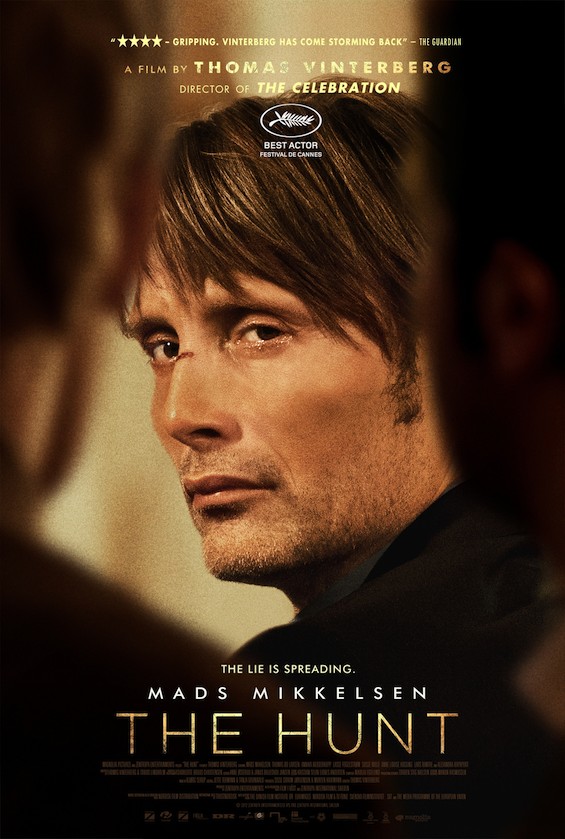
The premise of The Hunt originated years before cameras rolled. A Danish child psychologist approached Thomas Vinterberg in the late 1990s with a collection of files documenting how children's fantasies can unintentionally construct false narratives under leading questioning. Vinterberg set the material aside for nearly a decade before revisiting it alongside frequent collaborator Tobias Lindholm.
Rather than framing the story around a corrupt outsider, the screenwriters deliberately embedded Lucas in the heartbeat of the community. Lucas is divorced, working tirelessly to secure custody of his teenage son, Marcus, and universally adored by the local children. His life revolves around hunting rituals, heavy drinking with lifelong friends, and patient days in the classroom.
By establishing Lucas as an integral pillar of this rural hunting club, the creative team ensured that the coming betrayal cut deep. When Klara, the five-year-old daughter of his best friend Theo, repeats distorted adult phrases she overheard from her brother's tablet, the school administration reacts not with calm inquiry, but with panicked overreach. The institutional reaction creates a feedback loop: adults search for trauma, project their worst fears onto the child's silence, and ignite a wildfire of mass hysteria.
| Phase / Event | Cinematic & Story Catalyst | Psychological & Narrative Consequence |
|---|---|---|
| The Suggestion | Klara offers an innocent gift; Lucas gently establishes boundaries. | Rejection prompts Klara to repeat an explicit detail overheard from her brother. |
| The Interrogation | School director Grethe holds an unstructured, leading interview with Klara. | The authority figures interpret ambiguous non-verbal cues as absolute evidence of abuse. |
| The Community Meeting | Parents assemble without informing Lucas of the formal accusation. | Fear transforms into communal solidarity against a manufactured predatory threat. |
| The Escalation | Lucas is legally cleared due to lack of evidence, but social hostility surges. | Vigilante retaliation begins: shattered windows, grocery bans, and dead pets. |
| The Church Encounter | Lucas enters Christmas Eve service, staring down his former closest friend. | A silent confrontation exposes the moral cowardice driving mob mentality. |
Chloe Bennett explores the intersection of pop culture, streaming entertainment, digital trends, and contemporary lifestyle. Her weekly commentary reaches thousands of culture enthusiasts.
