Is It Illegal to Buy Knock-off Designer Bags? Consumer Rights, Risks, and Legal Realities
 By Robert Thorne
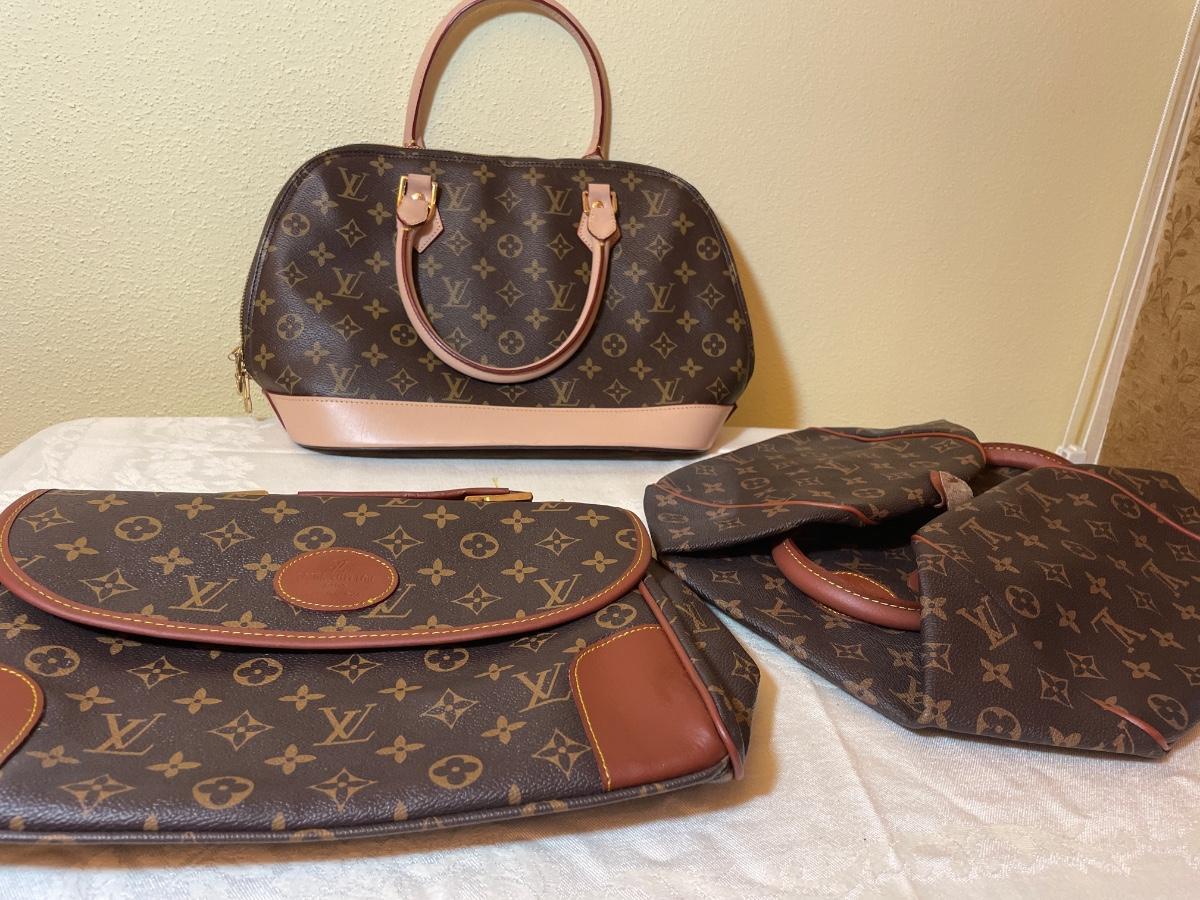
The primary statute governing fake goods at the federal level is the Trademark Counterfeiting Act, codified under 18 U.S.C. § 2320. This statute establishes severe criminal penalties, including multi-million-dollar fines and up to ten years in prison for first-time offenders, for anyone who intentionally manufactures, transports, or sells goods bearing unauthorized registered trademarks. Under federal trademark infringement law, the legal target remains unambiguously clear: commercial traffickers.
The law does not explicitly criminalize the passive act of buying a knock-off handbag for personal use. If a shopper walks down Canal Street, hands an unlicensed seller $100 in cash for a duplicate Pochette Métis, and takes it home, local police and federal agents will not arrest that shopper. Congress framed the statute around commercial exploitation rather than individual consumer desire. Federal courts require prosecutors to prove intent to traffic or distribute before criminal charges apply.
Consumer legal liability changes the moment resale enters the equation. A shopper who buys three duplicate bags and later posts them on peer-to-peer marketplaces like Poshmark, eBay, or Mercari crosses the boundary from casual buyer to commercial distributor. Under the federal Lanham Act (15 U.S.C. § 1114), luxury design houses routinely file civil lawsuits against small-scale online sellers. In these cases, brand owners do not need to prove intentional fraud. Establishing that the seller distributed counterfeit merchandise suffices to claim statutory damages ranging from $1,000 to $2,000,000 per infringed mark.
Robert Thorne covers electric vehicle innovations, autonomous driving systems, global mobility trends, and automotive engineering developments.
