Inside the John Doe Profile: Archival Evidence and the Roots of the Legend
 By Chloe Bennett
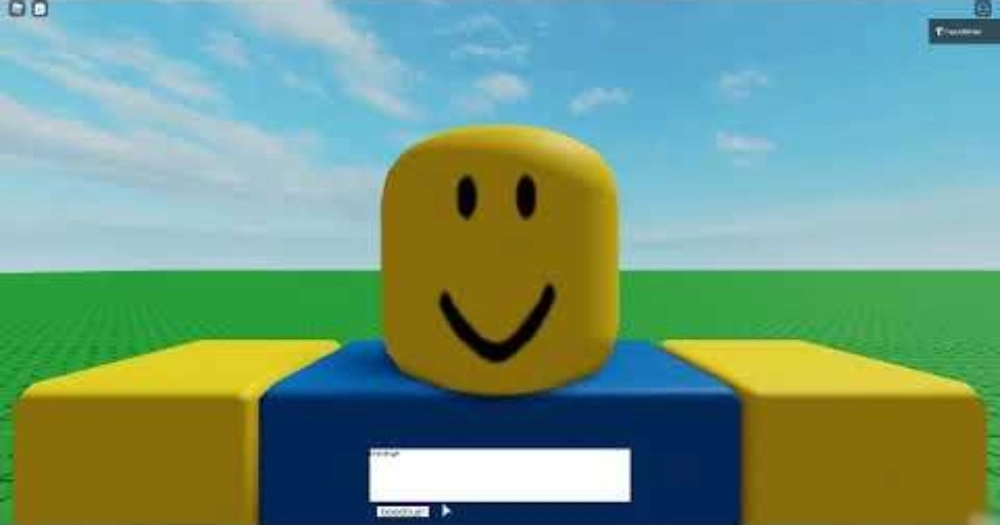
Why did John Doe capture childhood imaginations so effectively? The answer lies in the psychological landscape of early online gaming. For an eight-year-old in 2017, the internet was a mysterious ecosystem where anything seemed plausible. Early platforms like Roblox possessed rough graphical edges, sudden glitches, and empty server rooms that created an uncanny, liminal feeling.
The design of the avatar amplified the discomfort. John Doe wore no custom accessories. He sported a pale skin palette with black block pants and a yellow torso, fixed in the timeless, unblinking smile of the classic Roblox R6 model. In an ecosystem where self-expression was defined by elaborate, purchased outfits, the deliberate absence of customization read as alien.
Children naturally invent folklore to fill narrative voids. Games like Minecraft birthed the legend of Herobrine; Roblox birthed John Doe and Guest 666. These campfire tales offered collective excitement. Fearing March 18 gave a generation of young players a shared rite of passage, transforming routine maintenance into a playground mystery.
Chloe Bennett explores the intersection of pop culture, streaming entertainment, digital trends, and contemporary lifestyle. Her weekly commentary reaches thousands of culture enthusiasts.
