Inside the $20 Bill Design: Front Portrait Details, Back Vignettes, and Upcoming Changes
 By Chloe Bennett
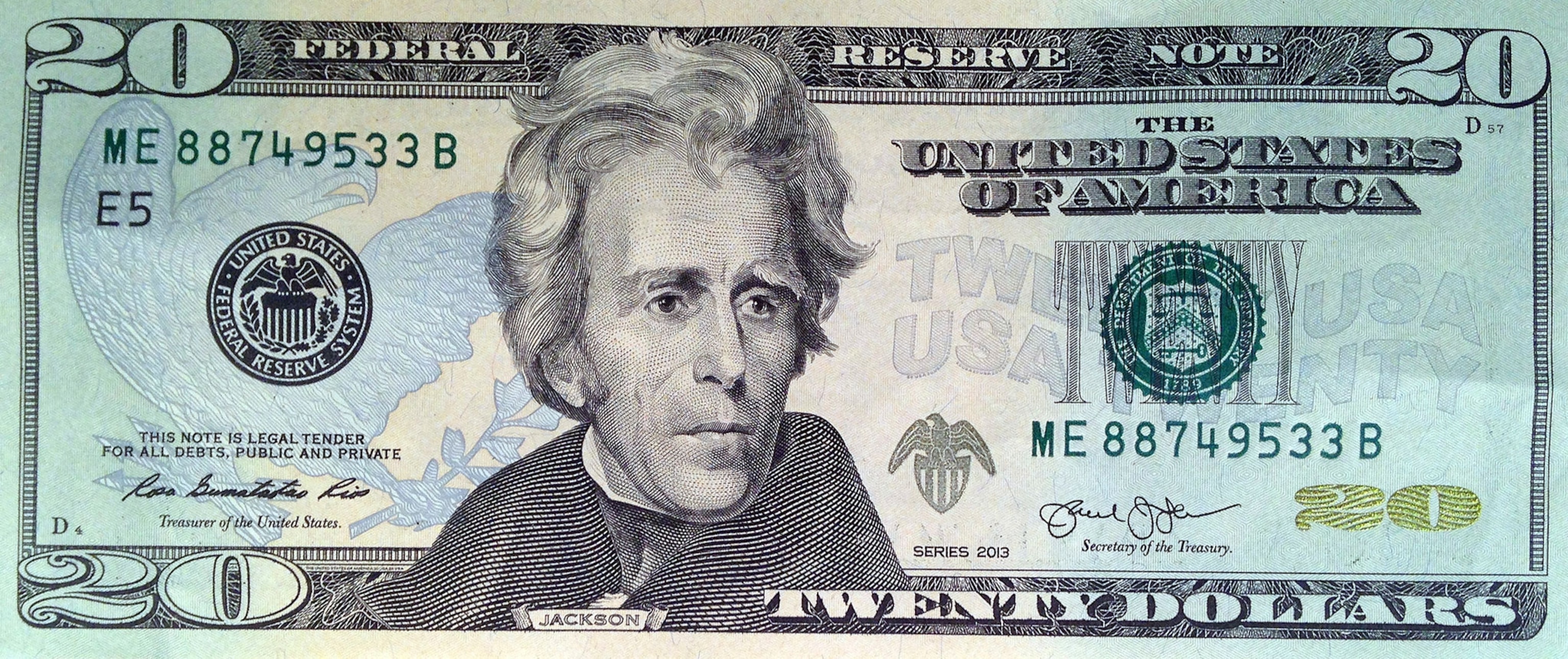
Andrew Jackson did not ask to appear on paper money. In fact, he despised it. During his administration from 1829 to 1837, the seventh US president waged a bitter war against the Second Bank of the United States, championing gold and silver specie over unbacked paper notes. When the U.S. Department of the Treasury selected Jackson to replace Grover Cleveland on the twenty in 1928, officials gave no definitive reason for the choice. The switch coincided with standardized bill sizing, leaving historians to marvel at the historical irony ever since.
Jackson's legacy presents deep historical friction. Celebrated in the nineteenth century as an unyielding populist and military victor at New Orleans, modern scholarship focuses heavily on his role in the Indian Removal Act of 1830 and the forced displacement known as the Trail of Tears. Jackson was also a wealthy slaveholder who enslaved more than 150 people at his Hermitage plantation. These biographical realities explain why reform groups have lobbied vigorously to retire his likeness from high-velocity cash.
Chloe Bennett explores the intersection of pop culture, streaming entertainment, digital trends, and contemporary lifestyle. Her weekly commentary reaches thousands of culture enthusiasts.
