Inside Camp Hi-Hill's Forgotten Ruins: What Remains in Angeles National Forest Today
 By Sophia Al-Mansoor
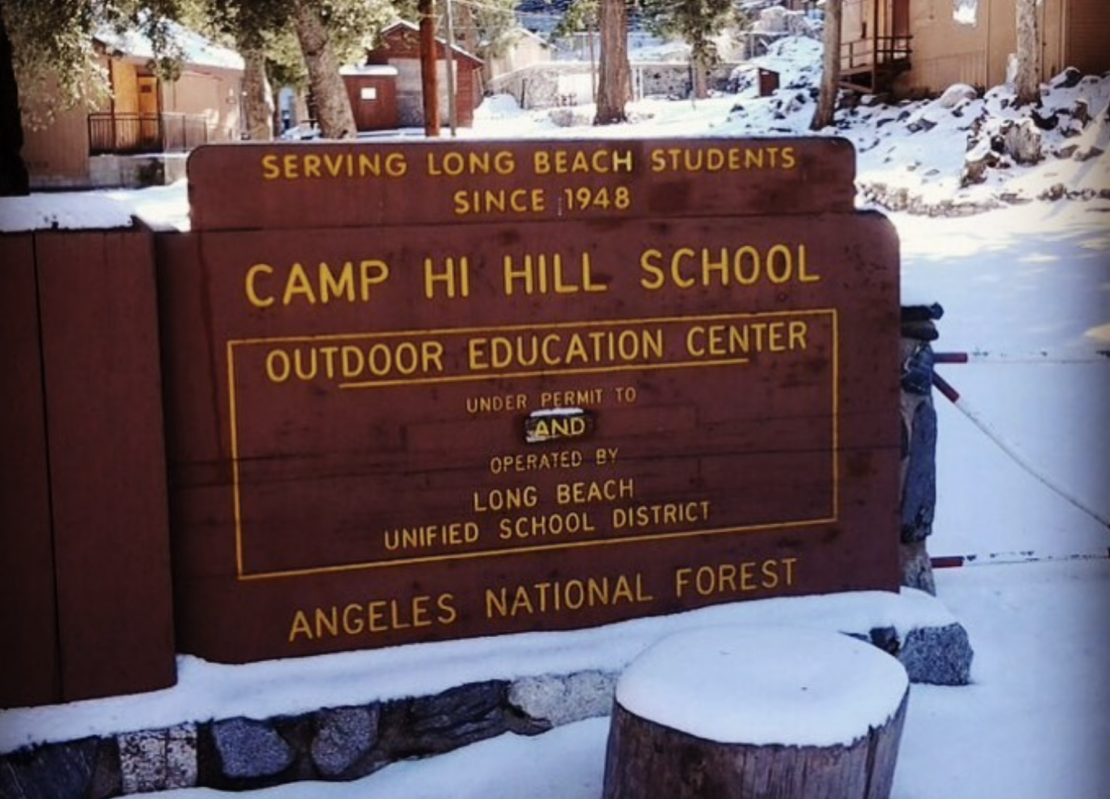
Camp Hi-Hill opened its gates in 1948 under a special-use permit issued by the U.S. Forest Service. At an elevation of approximately 4,300 feet, the site occupied a sheltered bowl north of Mount Wilson. District leaders designed the campus not merely as a recreational retreat, but as an immersive scientific laboratory. For countless working-class children from urban Long Beach neighborhoods, the five-day trip represented their first time leaving city limits, seeing snow, or viewing the Milky Way without coastal light pollution.
The routine became institutional memory for generations of families. Students boarded yellow school buses at their neighborhood elementary schools, climbed into the San Gabriel range, and disembarked into a world governed by weather stations, wildlife tracking, and cabin responsibilities. Teachers used the surrounding chaparral and pine stands to teach geology, native flora, and water conservation. Songs echoed nightly from the campfire circle, and the dining hall operated on cooperative student chores that built social bonds across distinct socioeconomic boundaries.
Sophia analyzes international trade, startup ecosystems, retail transformation, and supply chain logistics for modern digital publications.
