How to Tell If a Pineapple Is Ready to Eat: the Complete Grocery Store Guide
 By Maya Lin-Takahashi
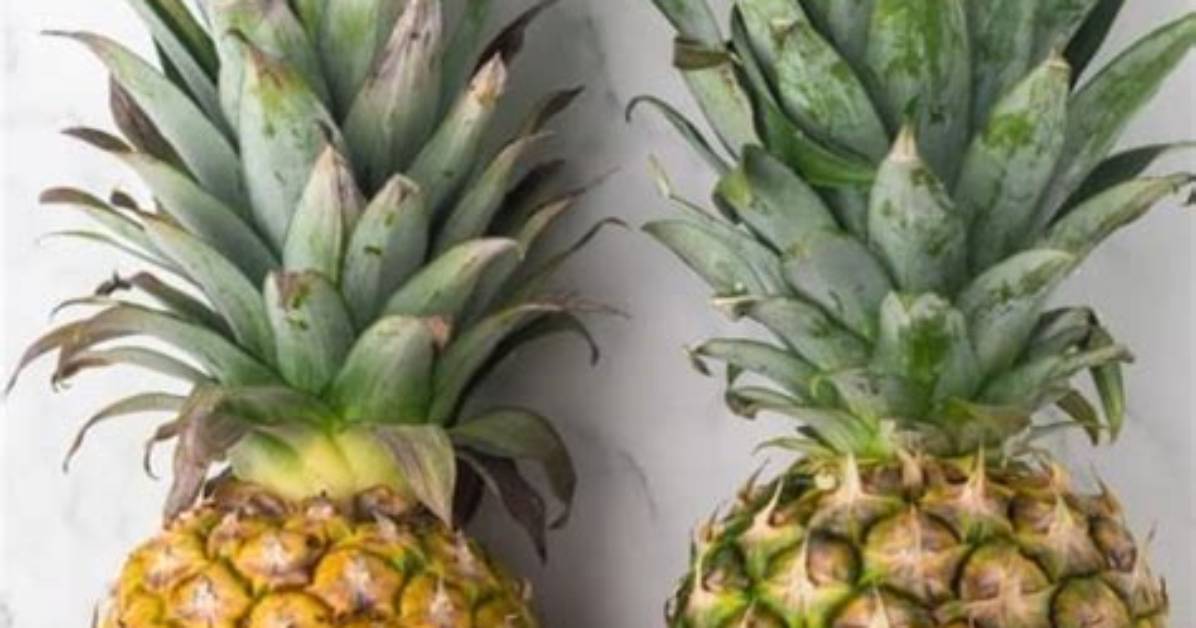
Commercial pineapple cultivation operates on thin logistical margins. Producers harvest fruit when field tests confirm a minimum soluble solids content, measured as degrees Brix, typically hitting 12% to 14% sugar concentration. Because these plants are non-climacteric, sugar accumulation stops the second field hands cut the fruit from the mother plant. The core and flesh draw their sweet profile directly from the parent root system; severing that link permanently freezes the sugar content and sweetness.
What changes on cargo ships and grocery displays is cosmetics. Chlorophyll in the skin degrades over several days, shifting the exterior from deep green to warm ochre. Many shoppers interpret this color shift as natural ripening. It is actually just tissue senescence. The fruit is softening, losing moisture, and slowly oxidizing.
Understanding this biological quirk transforms how you shop. If you buy a rock-hard, sour specimen with zero base scent, leaving it on your kitchen table for five days will yield a soft, sour fruit, not a sweeter one. Nailing the purchase at the market shelf remains your only chance at optimal flavor.
Maya is a hardware enthusiast who tests and reviews smart home devices, smartphones, wearables, and audio gear. She focuses on practical consumer value and build quality.
