How to Photograph Snowflakes Under a Microscope: Field Techniques and Gear Secrets
 By Elena Rostova
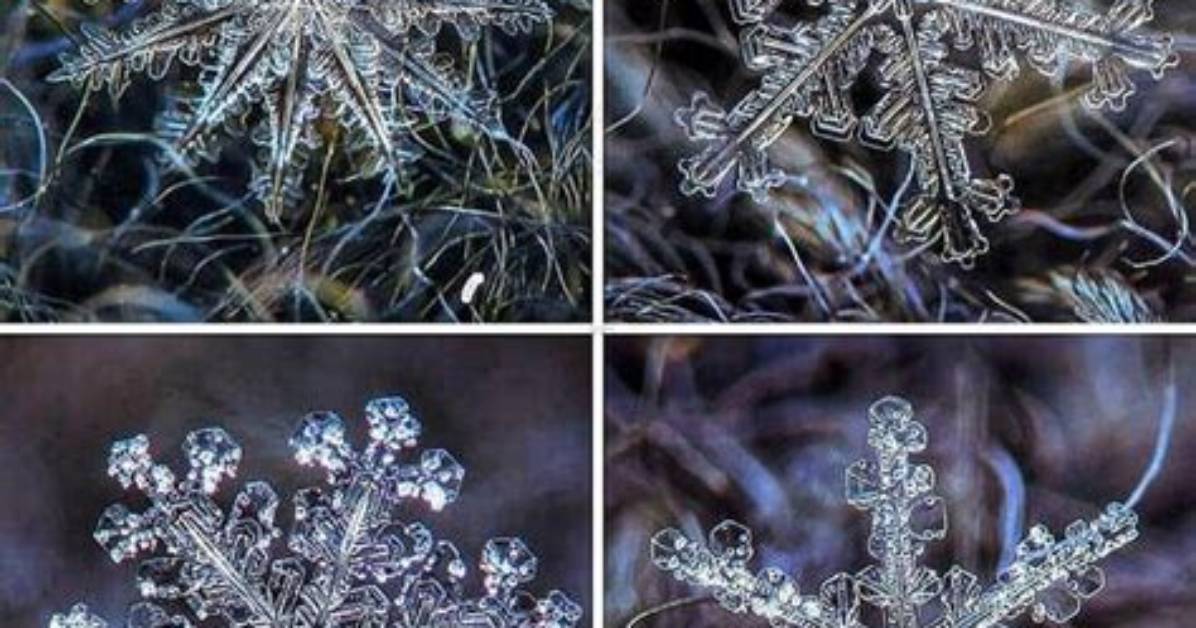
Understanding weather patterns helps photographers target specific snowflake forms. Ice crystal geometry depends strictly on ambient cloud temperature and relative supersaturation levels during growth, as charted on the Nakaya phase diagram.
The iconic stellar dendrites, broad, tree-branched formations, grow during heavy, moisture-saturated storm bands between 3°F and 10°F (-16°C and -12°C). When temperatures drop toward -4°F to -22°F (-20°C to -30°C), the atmosphere generates simpler geometric structures: solid hexagonal plates, hollow columns, and needle clusters. Fast-moving cold fronts generate capped columns, where a narrow hexagonal prism forms broad flat plates on both ends like tiny frozen spools.
Wind direction heavily dictates crystal condition. Strong gusts fracture branches before crystals reach the ground, yielding broken fragments rather than complete forms. The best shooting sessions happen during dead-calm winter snowfalls, where gentle down-drafts drop undamaged crystals directly onto collection stages.
Elena Rostova holds a Master's degree in Public Health Journalism. She covers groundbreaking medical research, holistic wellness trends, mental health awareness, and nutritional science.
