How Self-Serve Technology Is Transforming Neighborhood Document and Key Duplication
 By Sarah Jenkins
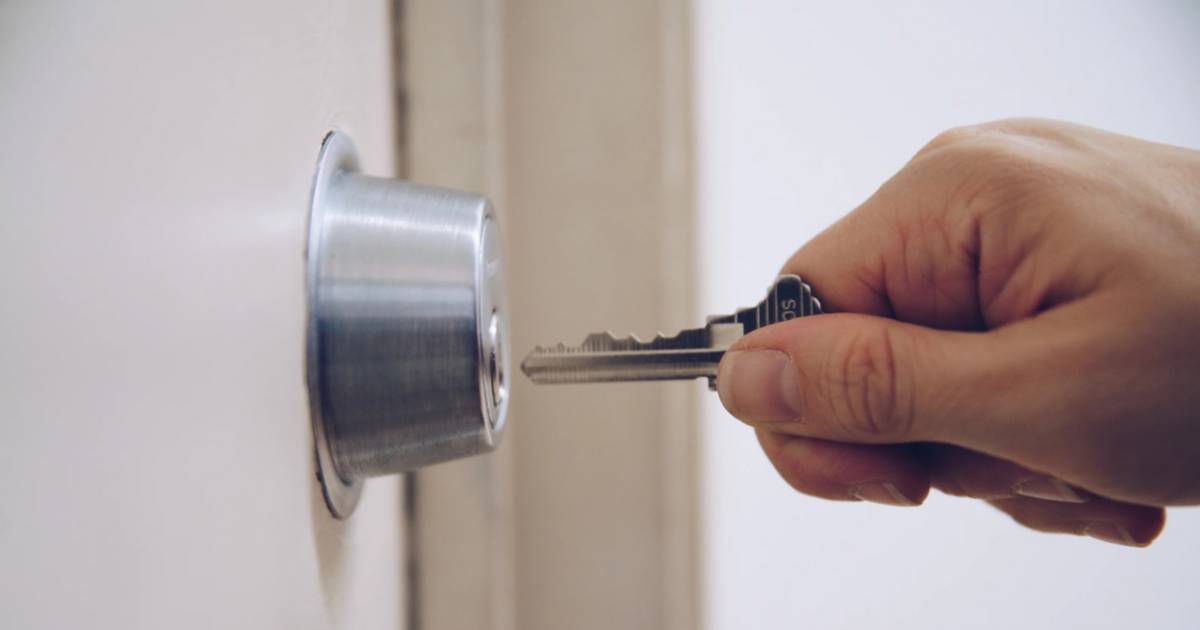
The errand that once required two separate cross-town stops now happens next to the produce section. Retail giants like Walmart, Kroger, and Albertsons have transformed their entryways into automated micro-service hubs. By partnering with self-service operators, grocery chains capitalize on routine foot traffic while eliminating the labor costs associated with staffing a dedicated duplication desk.
Key duplication kiosks such as KeyMe and MinuteKey pioneered this retail integration. Rather than waiting for a hardware clerk to trace a brass blank on a manual grinding wheel, shoppers insert their house keys into an optical scanning slot. The machine uses digital computer vision to analyze the bitting code down to a fraction of a millimeter. Within 90 seconds, a robotic laser-cutting mechanism produces a freshly milled brass or painted duplicate.
This automated foot-traffic strategy quickly expanded to paper documents. Self-serve copy centers from companies like PrintWithMe and FedEx Office Express stations now inhabit convenience stores, local grocery outlets, and public apartment lobbies. Users upload documents via a mobile web app or send an email attachment to a designated address, scan a QR code at the screen, and collect crisp monochrome or color photocopying pages immediately. The entire exchange requires zero human interaction.
Sarah Jenkins is a veteran tech journalist with over 12 years of experience covering artificial intelligence, mobile innovations, and digital ethics. Her insights have appeared in leading technology publications worldwide.
