How Accurate Is Flightradar24? Fact-Checking Radar 24 Plane Tracking Data in Crisis Situations
 By Maya Lin-Takahashi
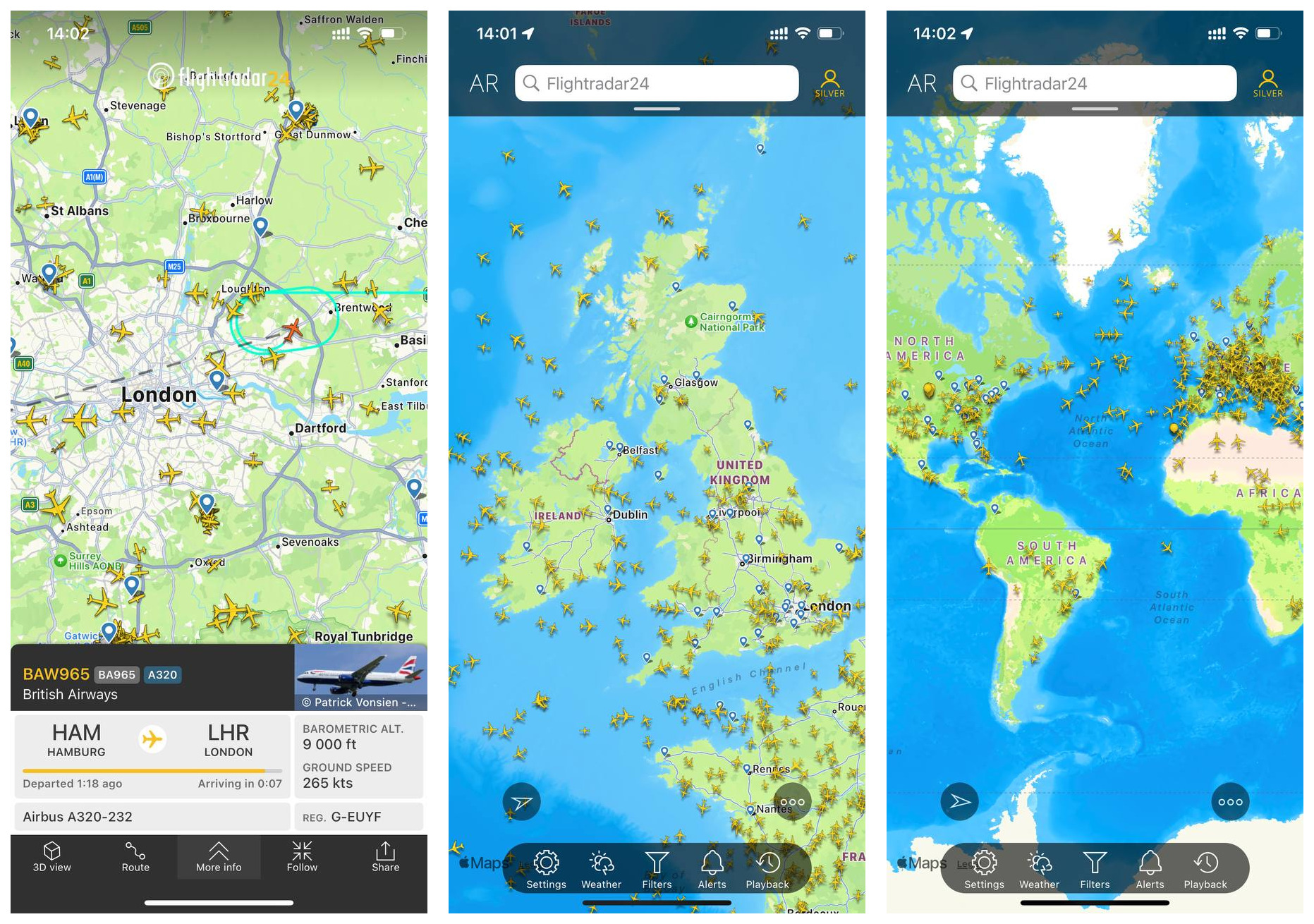
Public discourse routinely conflates civilian crowdsourced platforms with certified Air Traffic Control (ATC) facilities. The operational differences between these two monitoring architectures dictate what information can, and cannot, be verified during an incident.
| Surveillance Technology | Signal Origin | Update Frequency | Operational Weakness |
|---|---|---|---|
| Consumer ADS-B | Aircraft onboard GPS and 1090 MHz broadcast | 0.5, 2.0 seconds | Blind beyond ground receiver line-of-sight; fails if power cuts |
| Space-Based ADS-B | Low-Earth orbit satellite constellations (e.g., Iridium) | 1.0, 8.0 seconds | Subscription latency; commercial feeds lag official ATC satellite pipes |
| ATC Primary Radar (PSR) | Direct radio wave reflection off aircraft fuselage | 4.0, 12.0 seconds | Expensive ground maintenance; limited coverage over oceans |
| Multilateration (MLAT) | Time-difference calculation from Mode-S transponders | Variable (2.0, 10.0 seconds) | Requires at least 4 overlapping ground stations; inaccurate at low altitudes |
Primary radar sends electromagnetic energy into the sky and listens for physical reflections bouncing off metal structures. It requires zero cooperation from the aircraft. If pilots shut off every switch in the cockpit, primary radar still registers a return. In contrast, crowdsourced web services have no direct access to primary military or civil radar feeds. The moment transponder output ceases, crowdsourced monitoring collapses into an absolute coverage void.
Maya is a hardware enthusiast who tests and reviews smart home devices, smartphones, wearables, and audio gear. She focuses on practical consumer value and build quality.
