Hijab, Niqab, Burqa, or Abaya? a Visual Terminology Guide to Muslim Attire
 By Sophia Al-Mansoor
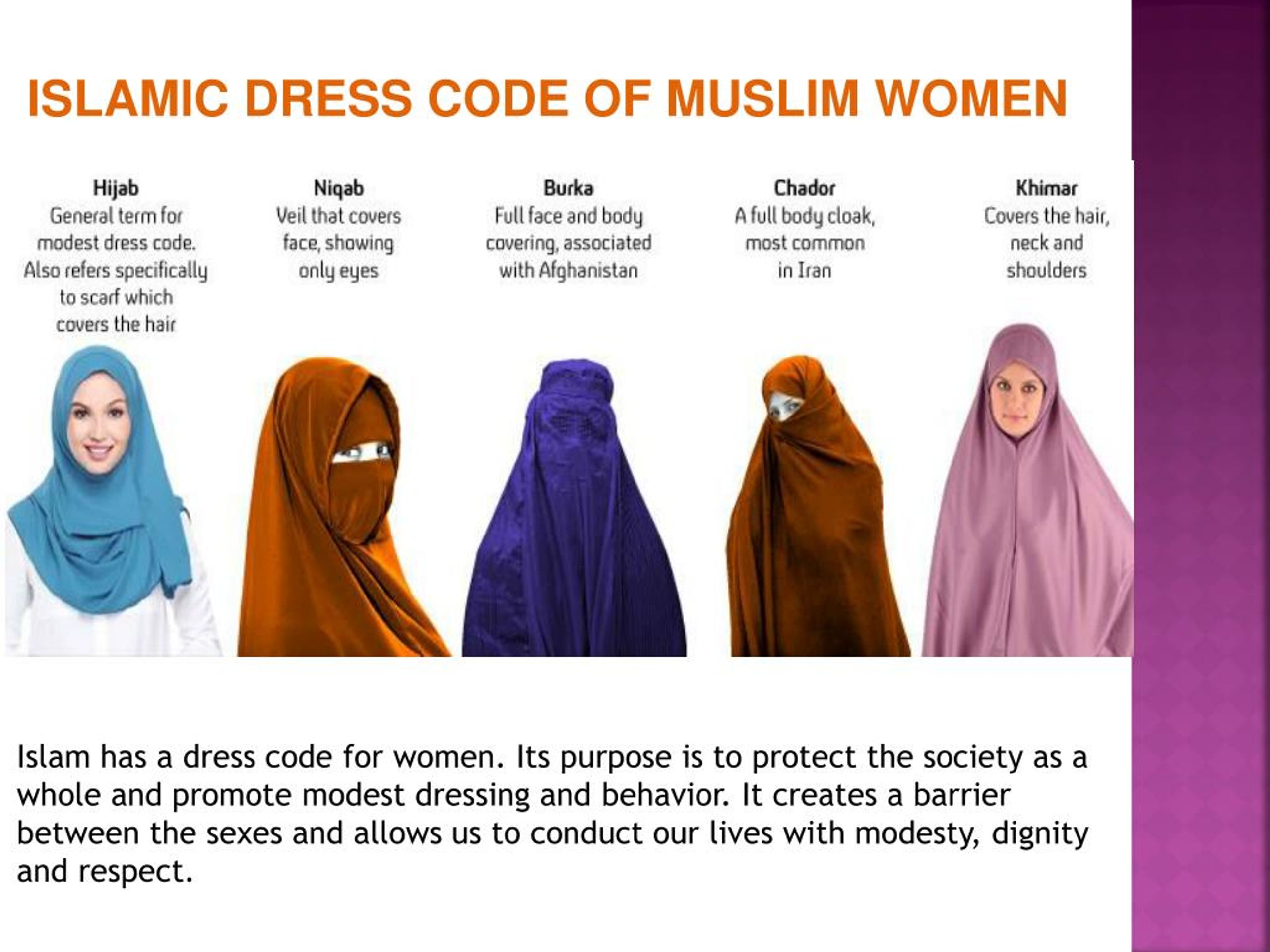
Headwear remains the most visible marker of Muslim identity, yet public discussions frequently confuse hair coverings with face veils. The visual differences hinge entirely on which parts of the head and face remain visible.
The term hijab literally translates to "curtain" or "barrier" in Arabic. In modern everyday usage, it refers specifically to a headscarf wrapped around the head to cover the hair, ears, and neck while keeping the oval of the face completely clear. Millions of Muslim women across North America, Europe, Southeast Asia, and the Middle East wear the hijab in square (shayla) or rectangular forms, pinned under the chin or draped over the shoulders in countless personal styles.
The khimar offers a more extensive drape. Derived directly from Quranic text, the khimar is a cape-like veil that covers the hair, neck, and shoulders, cascading down to the waist or hips. It leaves the face entirely uncovered, making it a popular choice for daily prayer and conservative everyday wear in North Africa and parts of the Levant.
The niqab transitions the wearer from hair covering to face concealment. It consists of a piece of cloth tied across the bridge of the nose, covering the mouth, chin, and neck, leaving an open slit for the eyes. The niqab is usually paired with a separate headscarf and a flowing body garment. While widespread in the Arabian Peninsula and among Salafi communities worldwide, it represents a distinct minority practice globally.
In Iran, the traditional choice is the chador. It is a semicircular, floor-length cloak worn over street clothes. The chador does not feature sleeves, buttons, or clasps; the wearer holds it closed at the front with her hands or under her arm. Like the hijab and khimar, the chador leaves the face exposed, framing it tightly along the hairline and chin.
Sophia analyzes international trade, startup ecosystems, retail transformation, and supply chain logistics for modern digital publications.
