Genetics Vs. Perception: Why Ivf Babies Inherit Family Traits, Not Lab Markers
 By Chloe Bennett
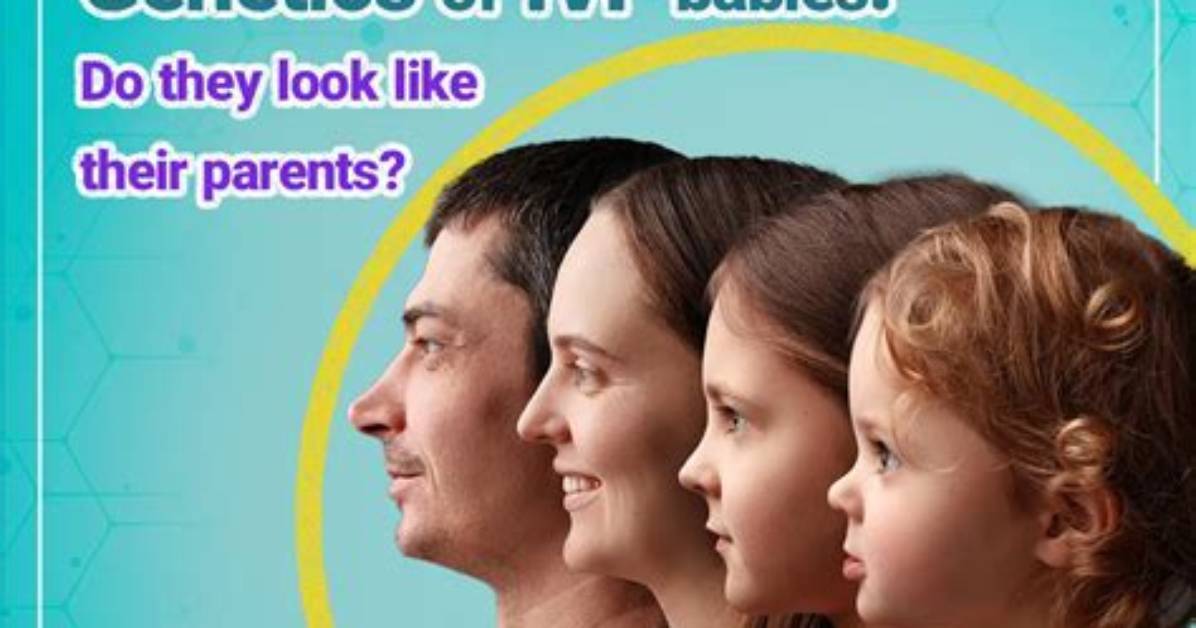
Human facial structure is polygenic. Thousands of individual genetic loci interact across chromosomes to determine the slope of a nose, the shape of an orbital socket, and the fullness of lips. The relationship between genotype, the underlying genetic sequence, and phenotype, the observable physical expression, remains strictly anchored to the biological parents.
During intracytoplasmic sperm injection or standard insemination, an embryologist selects a single sperm cell to fertilize a mature oocyte. That single mechanical act unites two haploid sets of chromosomes into a diploid zygote. Once fertilization occurs, the blueprint for facial feature inheritance is locked.
Laboratories do not remodel bone structure. The liquid culture containing amino acids, proteins, and electrolytes supports cellular division from zygote to blastocyst over a five-to-six-day incubation window. That fluid provides fuel for embryo development, but it does not alter structural genes. A toddler inherits their mother's philtrum and their father's cheekbones because those sequences reside within the cellular nucleus, completely untouched by pipettes, petri dishes, or liquid nitrogen storage.
Chloe Bennett explores the intersection of pop culture, streaming entertainment, digital trends, and contemporary lifestyle. Her weekly commentary reaches thousands of culture enthusiasts.
