From Pastures to Campuses: How Sheep Became Modern Stress-Relief Icons
 By Robert Thorne
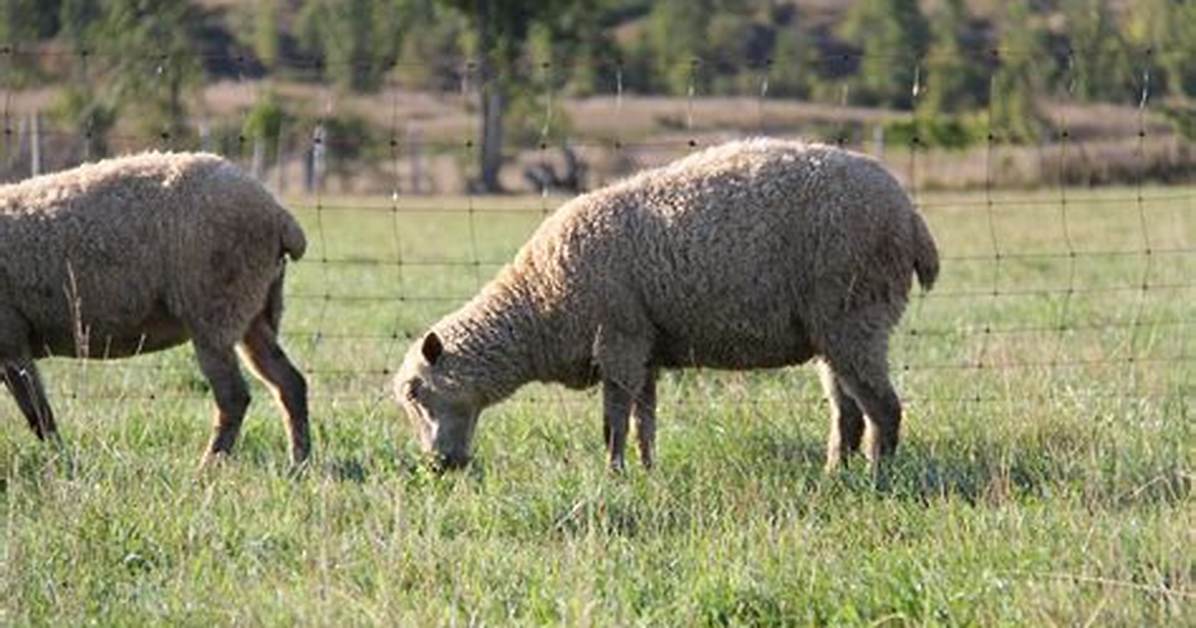
Therapy livestock events carry real operational risks that require strict management. Unlike certified domestic pets, sheep cannot be housebroken. Bringing ungulates onto campus lawns creates sanitation considerations that require proactive facilities planning.
Biosecurity represents a critical priority. Close interaction with ruminants carries risks of zoonotic transmission, primarily from bacteria such as Campylobacter, Salmonella, and Escherichia coli. Responsible campus wellness programs mandate industrial handwashing trailers or touchless sanitizing stations immediately adjacent to animal pens. Without these safeguards, public health officers frequently reject permits for livestock visits.
Flight dynamics also require experienced handling. Sheep retain strong prey instincts. If startled by sudden urban noises, such as skateboard wheels on concrete or municipal sirens, a skittish animal can bolt, creating an injury risk for both the flock and surrounding pedestrians. Programs partner with agricultural colleges or licensed livestock handlers who use specialized temporary hurdles, deep straw bedding, and established handlers trained in herd behavior.
Robert Thorne covers electric vehicle innovations, autonomous driving systems, global mobility trends, and automotive engineering developments.
