From Ancient Elements to Microplastics: How Earth's Most Common Things Shift
 By Maya Lin-Takahashi
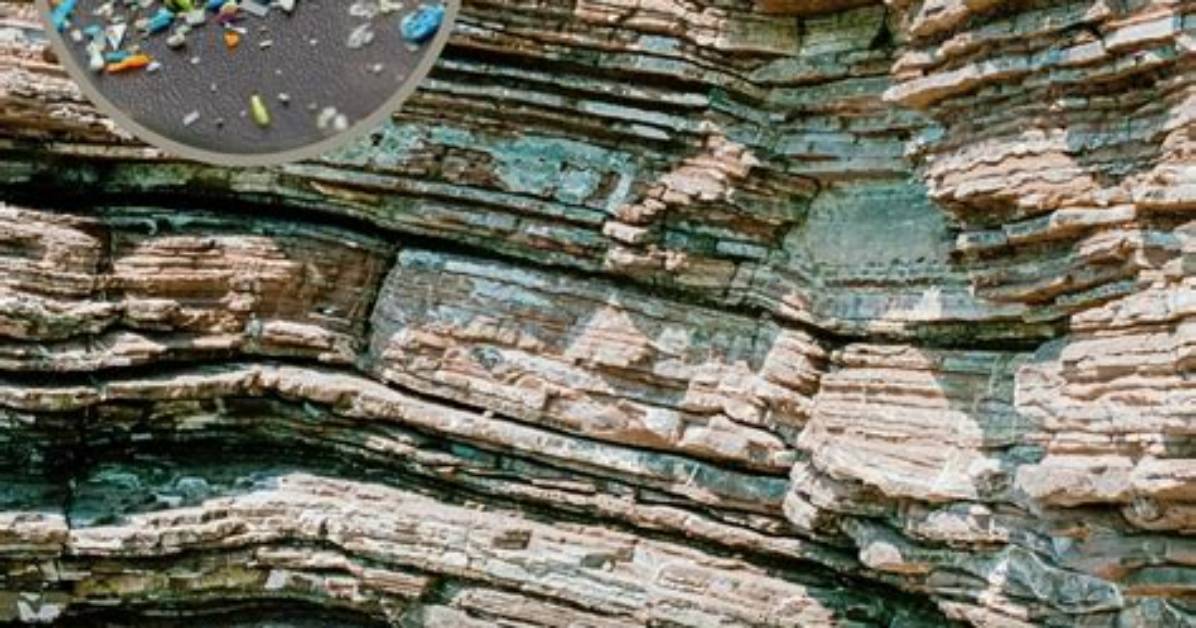
Natural geology and biological evolution ran Earth's material books for 4.5 billion years. That exclusive governance ended within our lifetimes. A 2020 study published in Nature confirmed that human-produced anthropogenic mass surpassed the dry biomass of all living organisms on Earth.
In 1900, manufactured items totaled roughly 35 gigatons, representing just 3% of global biomass. Over the following century, human industrial output expanded exponentially, doubling roughly every twenty years. Today, human-made material exceeds 1.1 trillion metric tons. Concrete alone constitutes roughly half of this mass, followed closely by crushed gravel aggregates, bricks, asphalt, and metals.
The pace has not plateaued. While wild animal biomass has collapsed by over 80% since the rise of human agricultural societies, synthetic materials continue to accumulate at a rate exceeding 30 gigatons per year. Humanity constructs the equivalent of the total body weight of every person on Earth every single week.
Maya is a hardware enthusiast who tests and reviews smart home devices, smartphones, wearables, and audio gear. She focuses on practical consumer value and build quality.
