From a New Hope to Modern Canon: How Star Wars Dialogue Evolved
 By James H. Sterling
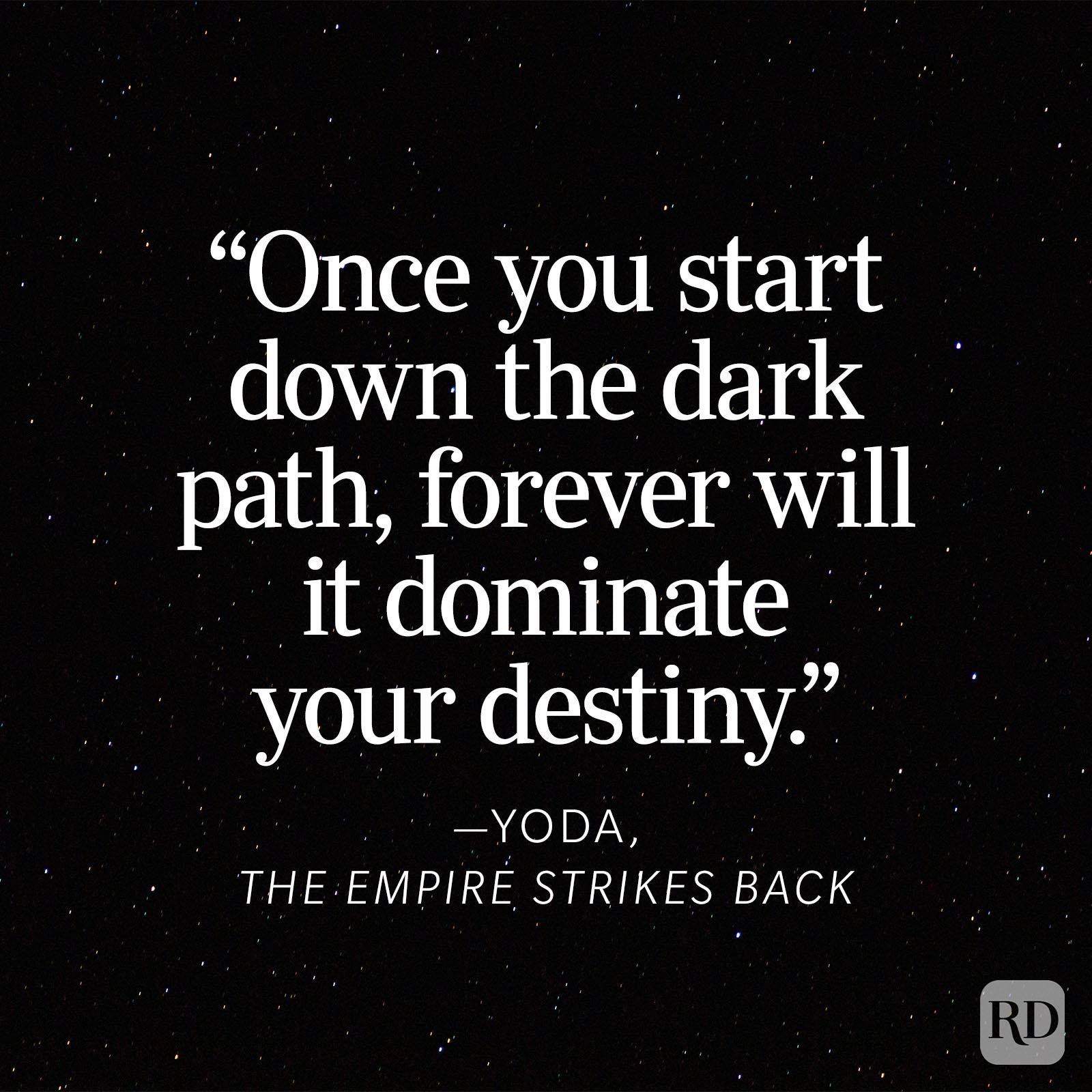
When George Lucas returned to direct the prequel trilogy between 1999 and 2005, he intentionally abandoned the conversational looseness of the 1980s. Lucas sought a heightened, ceremonial cadence reminiscent of historical theater. Characters no longer sounded like roguish space pilots; they sounded like aristocrats speaking in formal stanzas.
That stylistic choice alienated many critics. Exchanges between Anakin Skywalker and Padmé Amidala, most notoriously Anakin's complaints about coarse sand, became lightning rods for ridicule. Actors were asked to deliver lines stripped of contemporary vocal patterns, making romantic intimacy feel stiff.
Yet beneath the wooden romance lay some of the most politically acute writing in modern Hollywood. When Senator Palpatine maneuvers the Republic Senate into granting him dictatorial powers, Padmé observes the tragedy in chillingly simple terms: "So this is how liberty dies... with thunderous applause." The phrase anticipated modern discussions of democratic erosion with surprising precision. Similarly, Palpatine’s manipulation of Anakin in the Coruscant opera house relied on pure dramatic subversion. By framing Sith knowledge as a tragic pursuit of forbidden medicine, Ian McDiarmid’s whispered monologues transformed simple movie villainy into seductive, Faustian politics.
James Sterling reports on renewable energy developments, climate policy, ecological conservation, and green tech innovations around the globe.
