From 1789 Discovery to Modern Nuclear Accords: What Is Uranium's True Impact?
 By Marcus Vance
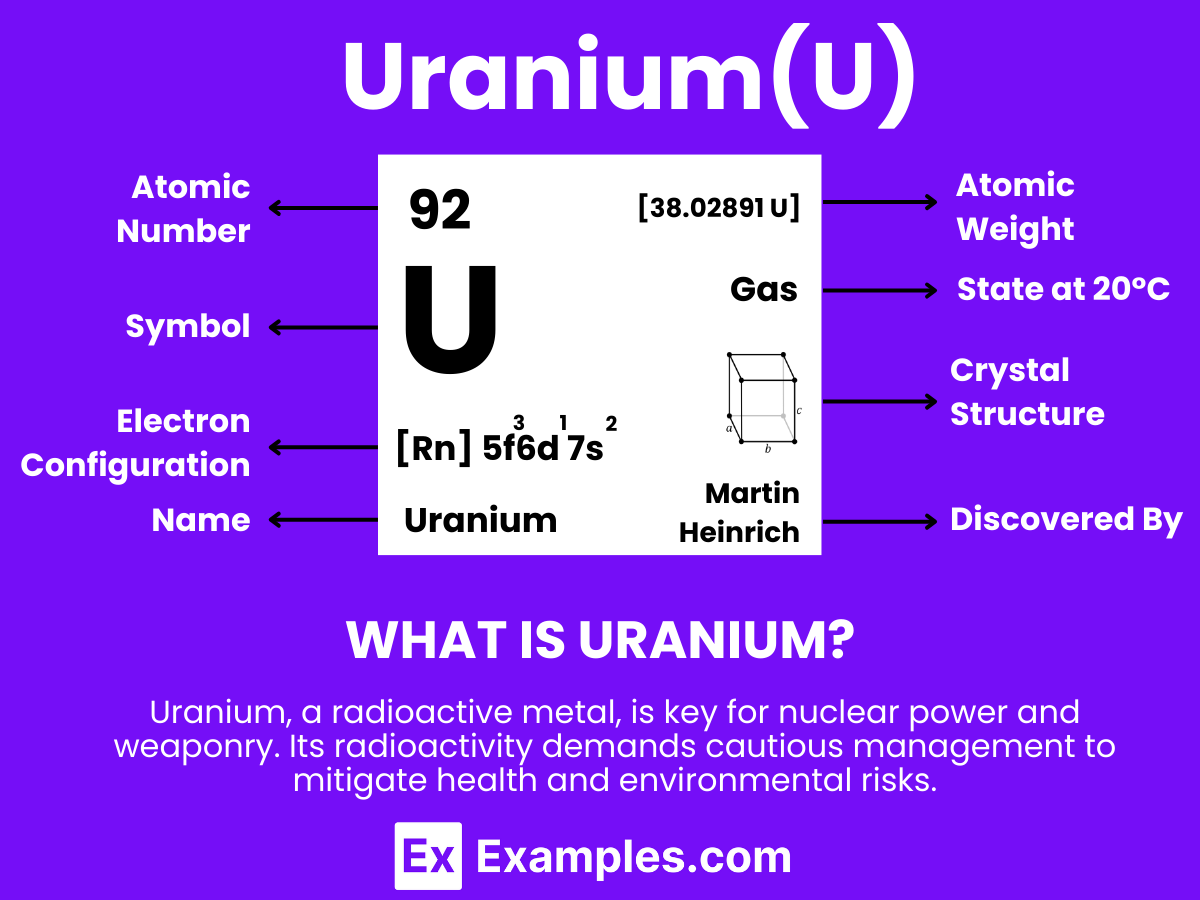
No other resource on Earth is governed by the rigorous diplomatic frameworks that encircle uranium. Because the exact same centrifuges used to enrich fuel to 4% for nuclear power reactors can spin material past 90% to produce weapons-grade material, fuel development remains permanently tied to national security.
The International Atomic Energy Agency (IAEA) supervises global nuclear non-proliferation treaties by tracking uranium inventories across every stage of processing. Inspectors seal enrichment cascades, install tamper-proof monitoring cameras inside fuel plants, and verify that commercial enrichment programs do not quietly divert UF6 gas toward covert military stockpiles.
This oversight framework underpins the clean energy transition across Europe, North America, and Asia. Policymakers seeking firm, zero-emission generation rely on advanced light-water reactors and emerging Small Modular Reactors (SMRs) to stabilize grids challenged by variable renewables. The climate equation favors fission: commercial nuclear generation emits zero direct carbon dioxide during power generation. But securing that climate dividend requires continuous, compliant access to Western-aligned enrichment capacity, a market historically dependent on Russian conversion and enrichment facilities.
Marcus Vance is a cybersecurity auditor and technology writer dedicated to educating the public about online safety, data privacy regulations, enterprise security, and emerging cyber threats.
