Fact-Checking the Samurai Hair Wrap: Historical Reality Vs. Hollywood's Clean Aesthetic
 By Elena Rostova
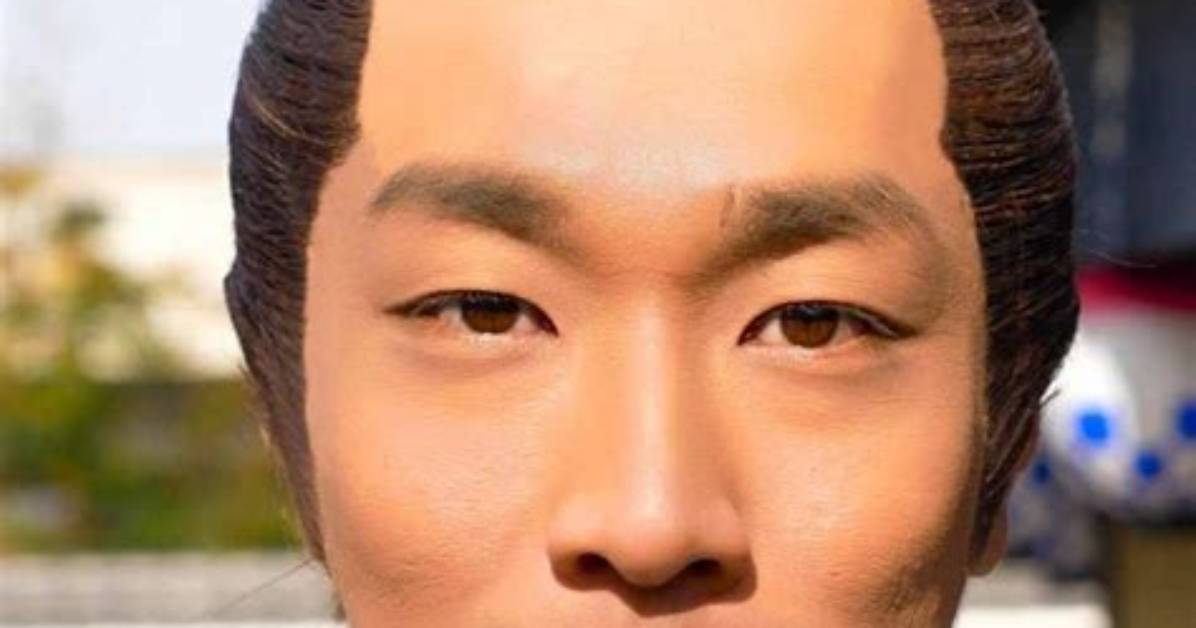
The chonmage was not conceived in court salons; it was forged on bloody battlefields. During the 16th-century Sengoku era, warfare shifted from mounted archery to massive infantry collisions involving dense pike blocks and matchlock firearms. Warriors spent hours, sometimes entire days, encased in iron armor. At the center of their physical strain was the kabuto, a bowl helmet weighing anywhere from 2.5 to 5 kilograms.
Trapped beneath heavy iron and padding, human body heat had nowhere to escape. Scalp sweat collected rapidly, turning helmet interiors into sweltering incubators for fungal infections, severe chafing, and lice. To survive combat conditions, Sengoku era battle hair required structural modification: the sakayaki shaved pate. Bushi plucked or shaved the crown of their heads from the hairline back to the vertex.
With the center of the head bare, heat dissipated efficiently through the top of the skull. The remaining hair along the sides and back was gathered, wrapped tightly with motoyui, and laid flat over the bare skull. In this configuration, the folded topknot acted as an integrated cushion directly beneath the helmet's internal suspension rigging. It stopped the metal bowl from rotating during sudden head movements or heavy concussive strikes, effectively turning the hairstyle into an active component of battlefield armor.
Elena Rostova holds a Master's degree in Public Health Journalism. She covers groundbreaking medical research, holistic wellness trends, mental health awareness, and nutritional science.
