Fact-Checking Milo and Otis: Separating Viral Cruelty Myths from Verified on-Set Facts
 By Sophia Al-Mansoor
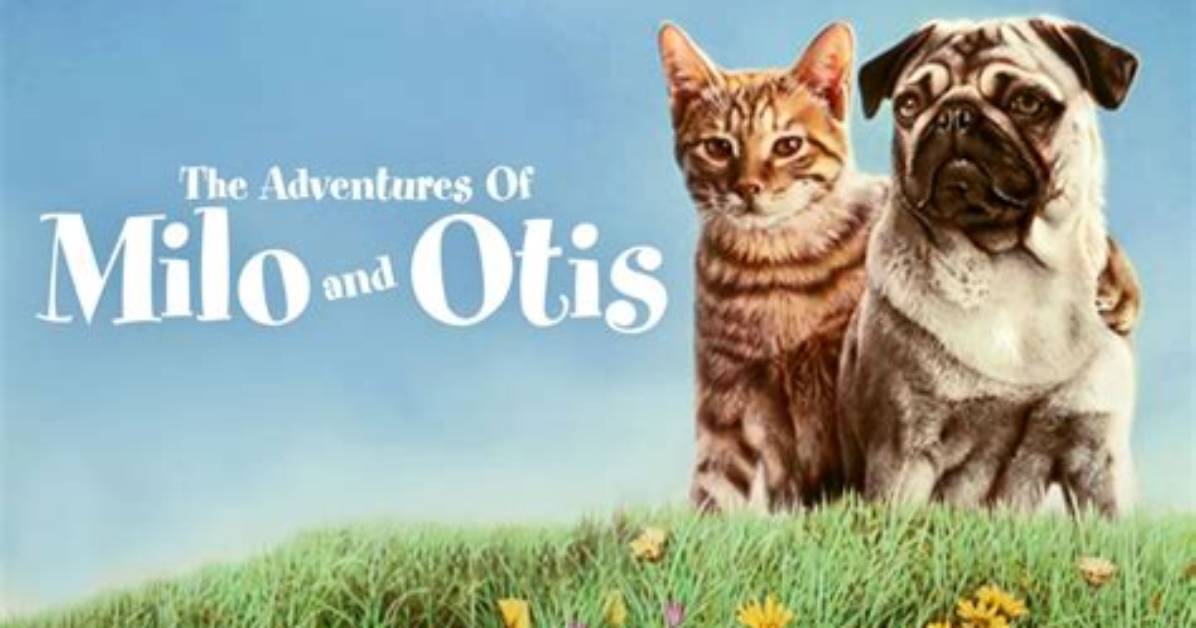
When Columbia Pictures acquired international distribution rights and released the recut version in North America in 1989, audiences expected the familiar protective seal: "No animals were harmed in the making of this film."
That seal was missing. The American Humane Association (AHA) holds jurisdiction only over domestic American productions that adhere to SAG-AFTRA collective bargaining agreements. Because *The Adventures of Milo and Otis* was conceived, funded, and filmed entirely in Japan by a domestic Japanese crew, the AHA had zero presence on Hata's Hokkaido set.
When foreign animal welfare groups, most notably Animal Liberation in Australia and the RSPCA, raised alarms during the international rollout, the AHA launched an inquiry into the footage. The organization contacted Japanese producers and analyzed master tapes. Their findings did not confirm mass casualties, but the AHA explicitly refused to endorse the movie's safety record.
Instead, theatrical prints and home video releases received a clear statement: "The American Humane Association was not present during the filming of this movie, which was produced in Japan. American Humane Association cannot confirm that no animals were harmed in the making of this film." This bureaucratic absence allowed rumors to flourish unchecked across internet message boards during the late 1990s and 2000s.
Sophia analyzes international trade, startup ecosystems, retail transformation, and supply chain logistics for modern digital publications.
