Fact-Checking 'Chama': Translation, Brazilian Slang, and the Fighter's Trademark
 By Chloe Bennett
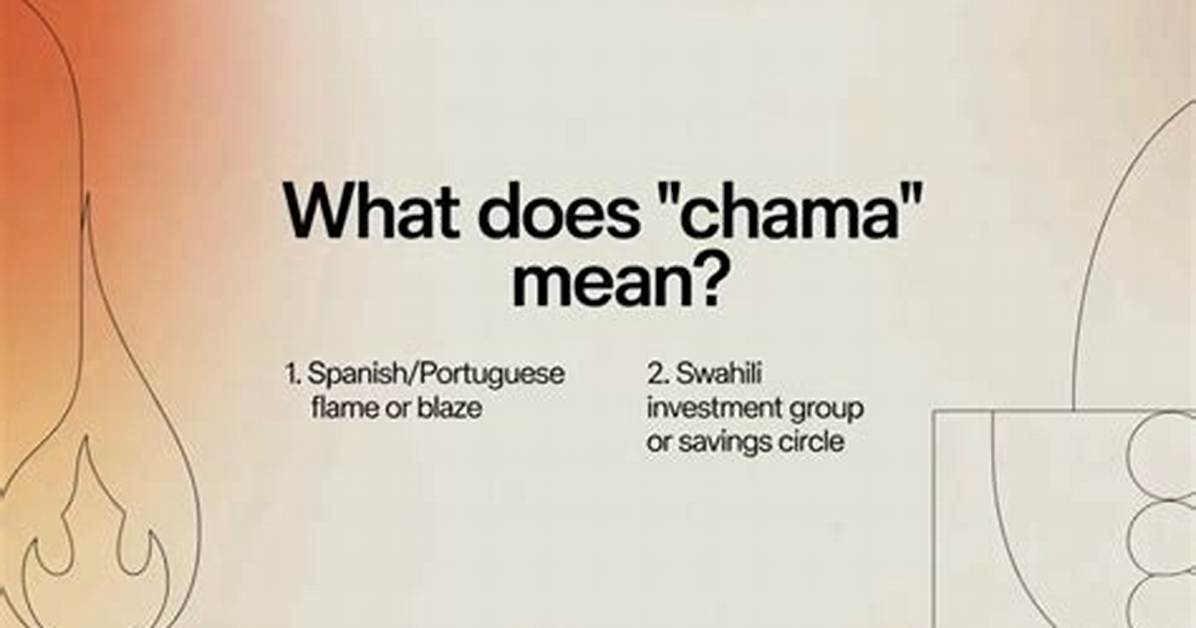
Alex Pereira did not invent the word. He picked it up on the peripheries of São Paulo, where he worked long hours in a tire repair shop (borracharia) as a teenager before ever strapping on kickboxing gloves. In the working-class neighborhoods and favelas of southeastern Brazil, slang moves with rapid fluidity. Young Brazilians frequently truncate complete idioms into punchy verbal punctuation marks.
The term traces back to longer vernacular phrases such as chama no problema ("call on the problem" or "bring on the challenge") and chama que vem ("call it and it comes"). Over time, the phrase compressed down to its absolute root: chama.
On the streets of São Paulo, someone might shout chama when inviting friends out on a Friday evening, dropping the clutch on a motorcycle, or confirming a lucrative business deal. It signifies motion, readiness, and total absence of hesitation. When Pereira carried that regional verbal tic into elite kickboxing and later the UFC, he stripped away all traditional showmanship. Other fighters hired publicists and rehearsed insults; Pereira merely brought the language of his tire-shop youth into the world's most visible sporting arenas.
Chloe Bennett explores the intersection of pop culture, streaming entertainment, digital trends, and contemporary lifestyle. Her weekly commentary reaches thousands of culture enthusiasts.
