Fact-Check: Are Hybrid Wolves Really Roaming Newfoundland? What the Science Says
 By Robert Thorne
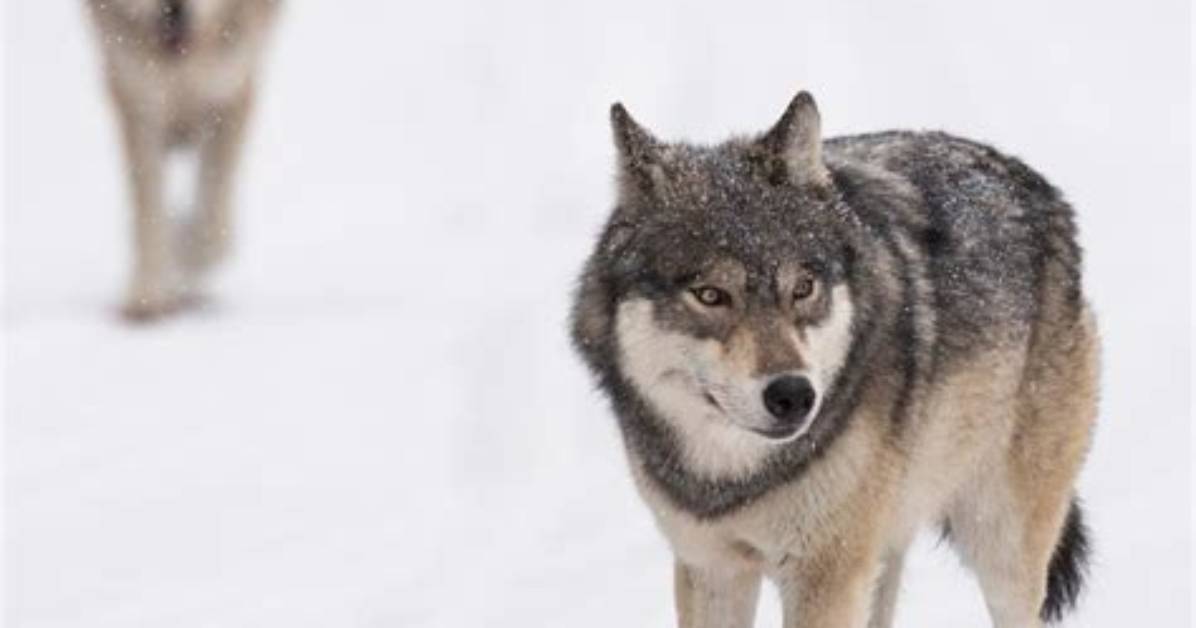
Genetic sequencing by evolutionary biologists and wildlife agencies overturned the "pure wolf resurgence" hypothesis. When the Department of Fisheries, Forestry and Agriculture NL teamed up with academic institutions to sequence tissue samples, the results clarified decades of canid evolutionary science.
Every coyote that colonized Newfoundland was already a hybrid before setting foot on the island. Decades earlier, as western coyotes expanded eastward across Ontario, Quebec, and the northeastern United States during the early 20th century, they encountered dwindling pockets of eastern wolves (Canis lycaon) and domestic dogs. Interbreeding occurred along that migratory wave front.
[Western Coyote: ~60, 65%] + [Eastern Wolf: ~25, 30%] + [Gray Wolf / Dog: ~8, 10%]
│
▼
[Modern Eastern Coyote / "Coywolf"]
The genetic mixture provided what evolutionary biologists call adaptive introgression. Wolf alleles provided larger body size and heavier cranial structure. Coyote alleles preserved rapid reproduction, dietary flexibility, and wariness of humans. By the time these animals crossed the frozen Strait of Belle Isle, they possessed the genetic toolbox necessary to hunt prey far larger than field rodents.
Occasional true wolves do still make the crossing. In 2012, genetic testing confirmed that an 82-pound canid shot on the Bonavista Peninsula was an authentic Labrador gray wolf that had ventured across pack ice. That animal was an anomaly, an isolated wanderer rather than evidence of a breeding wolf population.
Robert Thorne covers electric vehicle innovations, autonomous driving systems, global mobility trends, and automotive engineering developments.
