Did Stranger Things Deliver on the Dragon? How Season 5 Handled the Ultimate D&D Beast
 By Alexander Ross
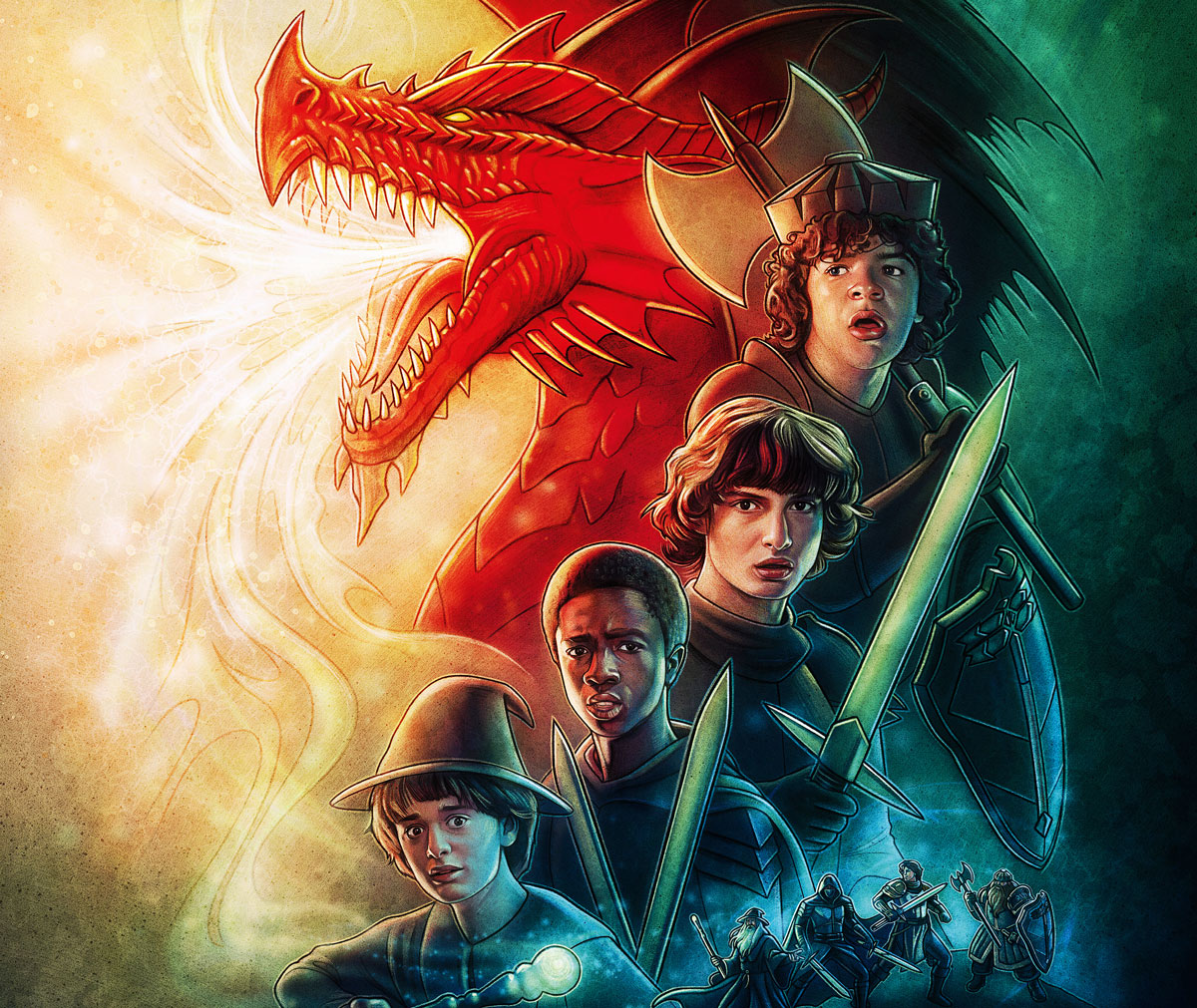
Had the Duffer Brothers introduced an actual, scaly, European-style dragon, it would have broken the internal logic of the Upside Down. The series was never a high-fantasy quest; it was cold-war science fiction masquerading under D&D labels.
The kids called the creatures Demogorgons, Mind Flayers, and Thessalhydras because children rely on the tools they have to catalog the unimaginable. Introducing a literal dragon would have crossed the line from cosmic, fungal body horror into generic fantasy adventure.
By translating the dragon into a horrific bio-amalgamation of the Mind Flayer's particles, the production team honored the emotional symbolism of Will's painting without compromising the body-horror roots inspired by John Carpenter and David Cronenberg. The ultimate beast felt earned, terrifying, and deeply rooted in the established world.
Alexander Ross has covered the video game industry for a decade, writing deep dives on game design, esports tournaments, VR developments, and gaming culture.
