Decoding the Japanese Bathroom Control Panel: Visual Guide to Drying Modes, Heat Settings, and Timers
 By Alexander Ross
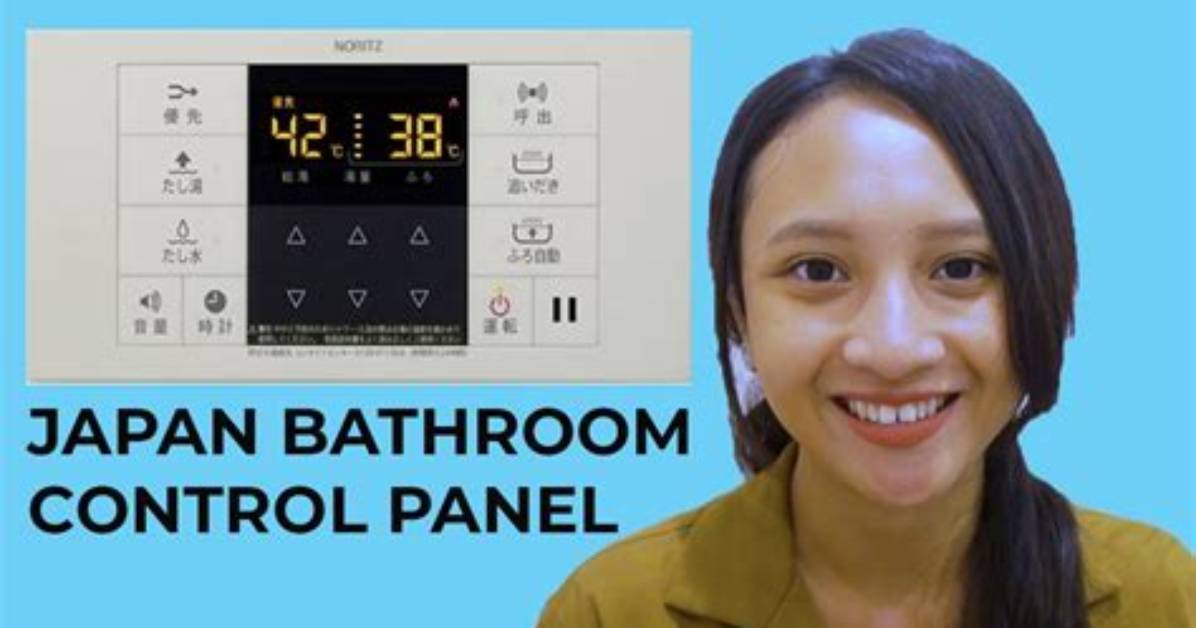
A common traveler error involves confusing basic ventilation with dedicated drying. While simple exhaust removes surface mist after a hot bath, it lacks the thermal energy to draw water out of thick cotton towels before sour-smelling bacteria take hold.
| Mode & Kanji | Thermal Mechanism | Power Draw & Est. Cost | Average Dry Time (3kg Load) |
|---|---|---|---|
| Hot Dry (乾燥 - Kansō) | Active ceramic heat + high-velocity exhaust | 1,200W, 1,400W (¥35, ¥50 / hr) | 2.5, 3.5 hours |
| Cool Dry (涼風 / 送風) | Ambient air movement without heat | 25W, 40W (¥1, ¥2 / hr) | 7, 9 hours (synthetics only) |
| Standard Fan (換気 - Kanki) | Negative-pressure air extraction | 15W, 25W (Under ¥1 / hr) | Will not dry wet laundry fully |
| Pre-Heat (暖房 - Danbō) | High-output radiant space heating | 1,200W, 1,300W (¥35, ¥45 / hr) | N/A (Bathing comfort only) |
Electric drying cycles pull significant current, making duration management important. Setting an air circulation timer for three hours will fully dry a standard washer spin-cycle load for roughly ¥120 to ¥150 ($0.80, $1.00 USD), a fraction of the cost of running commercial coin-laundry dryers down the street.
Alexander Ross has covered the video game industry for a decade, writing deep dives on game design, esports tournaments, VR developments, and gaming culture.
Tags:
japan bathroom dryer
