Castor Oil in the Navel: Does Tiktok's Viral Belly Button Hack Actually Beat Bloating?
 By Chloe Bennett
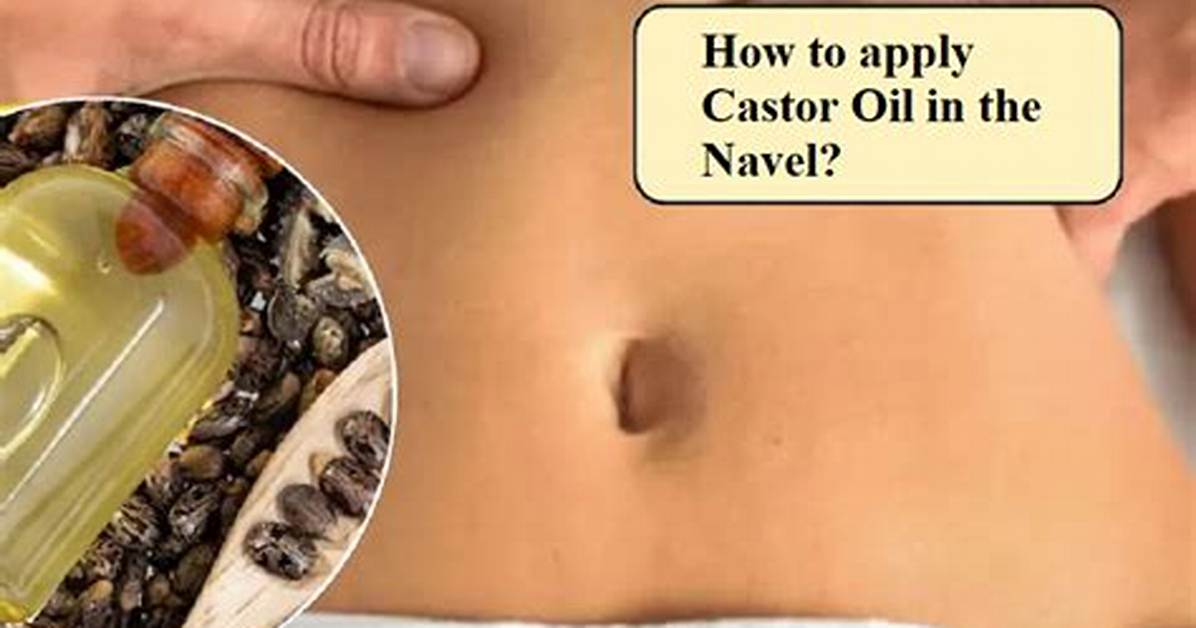
Proponents frequently justify the practice by citing the "Pechoti method," an idea loosely lifted from traditional Ayurvedic navel pulling (Nabhi Chikitsa). Videos claim that a hidden structure called the "Pechoti gland" sits directly behind the belly button, connecting to more than 72,000 distinct bodily veins and serving as a direct transit route to internal organs.
Medical anatomy paints a completely different picture. The Pechoti gland does not exist. In human development, the umbilical cord carries oxygenated blood and nutrients from the placenta to the fetus through veins and arteries. After birth, doctors clamp and cut the cord. The remnant tissue dries, falls off, and forms the navel, a healed fibrous scar called the umbilical ring.
Internally, those fetal vascular channels wither into fibrous bands of connective tissue, primarily the round ligament of the liver (ligamentum teres hepatis) and the medial umbilical ligaments. These fibrous cords contain no active bloodstream or open lumina. Applying oil to the surface of this scar tissue does not allow substances to diffuse into internal organs or bypass hepatic filtration.
Chloe Bennett explores the intersection of pop culture, streaming entertainment, digital trends, and contemporary lifestyle. Her weekly commentary reaches thousands of culture enthusiasts.
