Can Anyone Run Winning Ads Now? Deconstructing Tiktok’s Ai Automation Claims
 By Marcus Vance
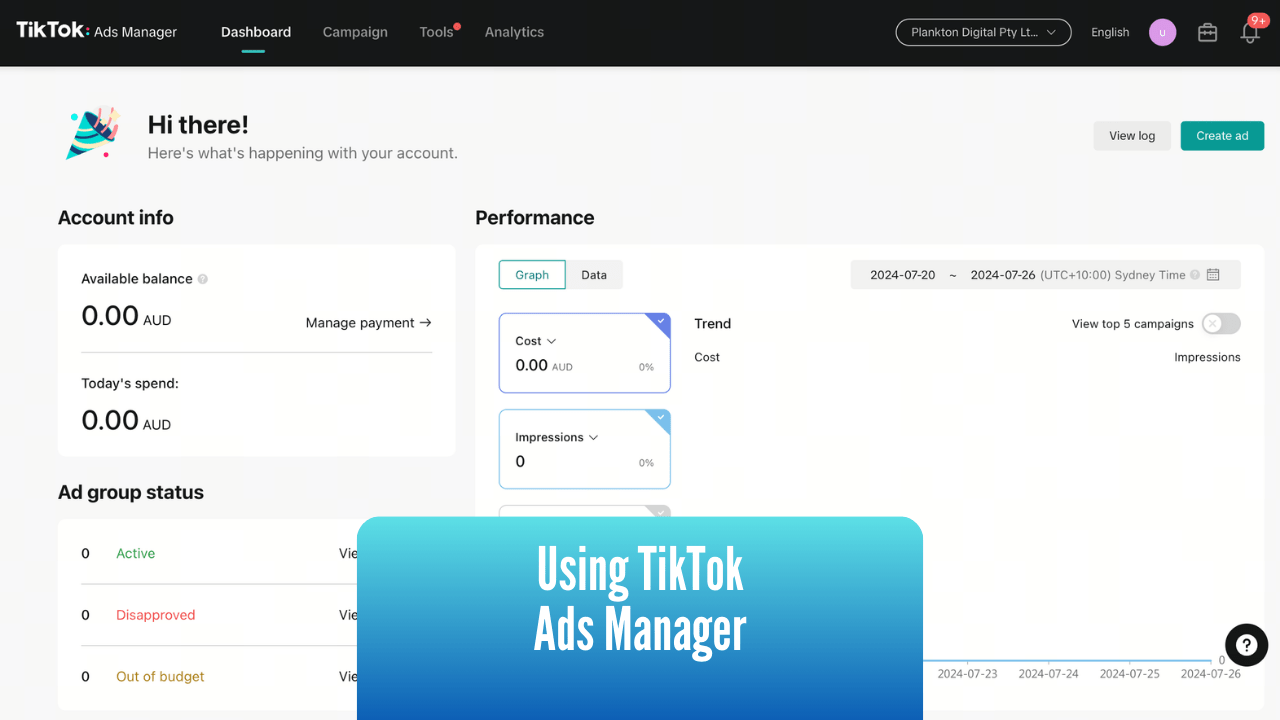
Automated ad suites present themselves as plug-and-play systems, but their machine-learning backends require massive data inputs to function predictably. An autonomous system needs clean feedback loops. If an account feeds the algorithm ambiguous data, the delivery engine misallocates spend.
A functional setup requires a fully integrated TikTok Events API connected alongside server-side tracking infrastructure. When a merchant relies solely on browser-based pixel tracking, data loss from ad blockers and mobile operating system privacy controls starves the platform's optimization engine. The automated bidding strategies begin hunting for proxy signals, driving up CPMs while delivering hollow traffic that never converts on checkout pages.
Small merchants frequently misunderstand how TikTok ad targeting operates under autonomous delivery. The platform no longer prioritizes who you select in the dashboard; it targets based on the specific visual, audible, and textual hooks inside the video asset itself. If an e-commerce brand uploads a generic, highly polished studio video, the delivery engine pushes it toward audiences accustomed to commercial broadcasts, users who systematically skip ads within two seconds. Human expertise has not disappeared. It has migrated from toggle-switching inside ad sets to technical tracking architecture and high-velocity content production.
Marcus Vance is a cybersecurity auditor and technology writer dedicated to educating the public about online safety, data privacy regulations, enterprise security, and emerging cyber threats.
