Burger King Ai Now Monitors Staff to Hear If They Say 'Please' and 'Thank You'
 By David Miller
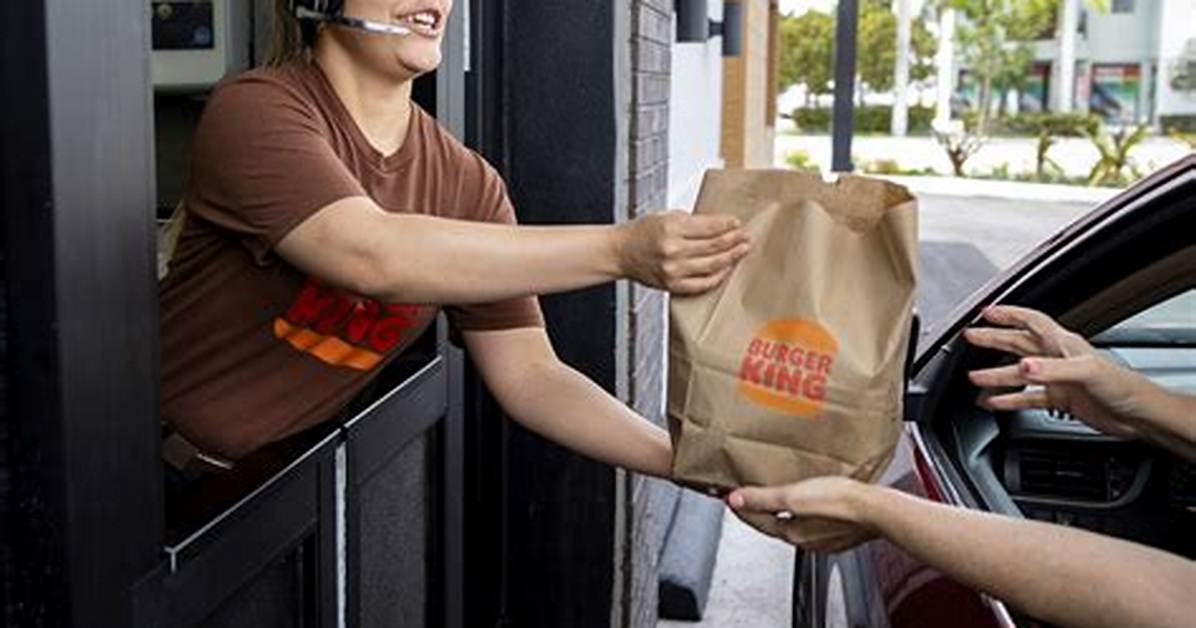
Burger King's acoustic experiment represents a critical step in the march toward automated management. Algorithmic oversight has moved beyond Amazon logistics depots and gig-economy delivery apps into consumer-facing food service. The drive-thru window now operates as a live testing ground for how far corporations can push real-time biometric and vocal tracking without triggering sustained customer boycotts or widespread labor strikes.
As speech recognition models grow cheaper to run at scale, rival fast-food operators will watch Burger King's trial closely. If customer satisfaction scores improve, or if upsell revenues offset the initial hardware investment, wearable audio surveillance may quickly become standard issue across the entire service economy.
The outcome will ultimately determine the boundaries of workplace autonomy for millions of low-wage workers. Enforcing emotional expressions through audio processing strips the last remnants of personal agency from customer service work, proving that in the race for algorithmic optimization, even a simple "thank you" carries a surveillance price tag.
David Miller brings 15 years of experience in global economics, personal finance strategy, and market dynamics. He specializes in turning complex economic trends into actionable insights for everyday readers.
