Brake Cleaner vs Maf Cleaner: the Costly Myth Damaging Modern Engines
 By David Miller
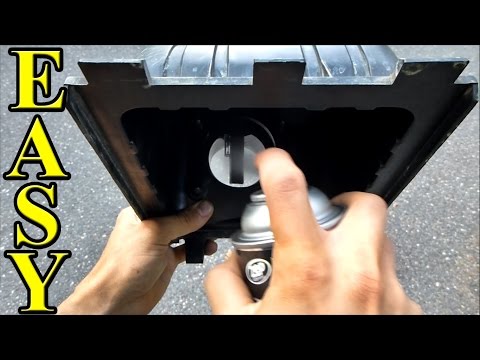
How do you distinguish between a physically broken unit, an intake leak, and a simply dirty air meter? The vehicle's onboard diagnostics tell the story long before total engine failure occurs.
When a sensor's readings drift out of manufacturer tolerance, the ECU illuminates the check engine light, typically registering a P0101 trouble code (Mass Air Flow Circuit Range/Performance Problem), or accompanying codes like P0171 (System Too Lean, Bank 1) and P0102 (Low Input).
Drivers experience this data mismatch as concrete physical symptoms:
- Hesitation and surging during hard acceleration
- Persistent rough idling that shakes the steering column at red lights
- Unexplained drops in fuel mileage amounting to 10% to 20% poor fuel economy
- Transmission gear shifts that feel harsh or mistimed due to torque estimation errors
Live diagnostic scans reveal the smoking gun through fuel trim imbalance. While monitoring Short Term Fuel Trims (STFT) and Long Term Fuel Trims (LTFT) on a standard OBD-II scanner, healthy engines display trim figures bouncing closely between -5% and +5%. A dirty sensor telling the computer that less air is entering forces the engine into a lean condition; the ECU tries to compensate by pushing fuel trims past +12% or +15%.
Before stripping the intake down, isolate the sensor from adjacent systems. Carbon crusting around the throttle body valve plate produces identical rough idling symptoms. Cleaning a pristine air flow sensor when the throttle plate is physically sticking from PCV oil deposits will solve nothing. Check the intake tract systematically.
David Miller brings 15 years of experience in global economics, personal finance strategy, and market dynamics. He specializes in turning complex economic trends into actionable insights for everyday readers.
