Botanical Fact-Check: Are Avocados, Acorns, and Açaí Technically Fruits?
 By Elena Rostova
Examine the avocado botanical classification. The fruit of Persea americana is not a vegetable, nor is it a stone fruit like a peach. Botanically, an avocado is a single-seeded berry. True berries feature a fleshy exocarp and mesocarp surrounding a seed, but crucially, their endocarp must remain non-woody. In an avocado, that interior parchment layer remains thin and fleshy, directly encasing the massive single seed. The central pit is not stone or wood; it is an oversized seed coat. With 15% to 20% monounsaturated fatty acid content, it behaves like a dense culinary fat, but structurally, it aligns with a blueberry or grape.
Açaí (Euterpe oleracea) tells the inverse story. Marketed worldwide as an açaí berry superfood, the small, purple orb harvested from Amazonian palms is not a berry at all. It is a drupe. In drupes, the endocarp lignifies into a hard, stony shell that protects the internal seed, mirroring the structure of an olive, walnut, or peach. Harvesters do not juice a fleshy berry pulp; they soak the drupes in water to soften the thin, nutrient-dense outer pericarp before scraping it away from a dominant inner stone that occupies up to 80% of the entire fruit volume.
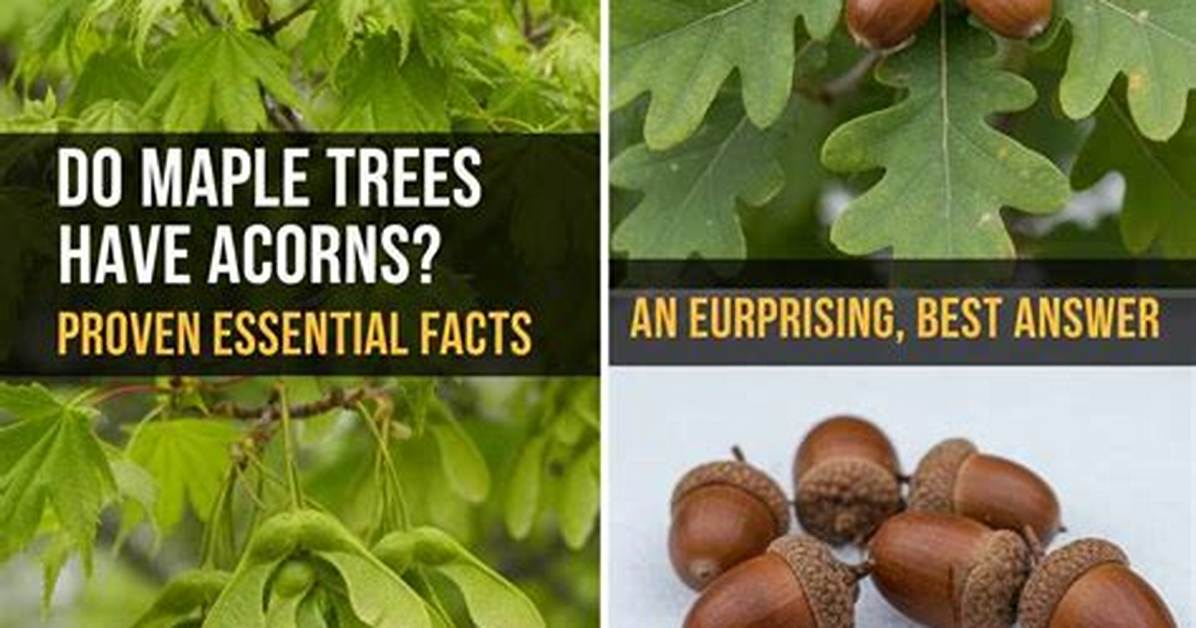
Then consider the acorn. Dropping from Quercus oaks across temperate forests, acorns fit the strict botanical definition of true nuts, a specific sub-category of dry, indehiscent fruits. Unlike fleshy fruits that split open or rely on herbivores consuming juicy pulp, an acorn features a hard, lignified pericarp fused to a single seed, capped by an involucre known as the cupule. It does not open naturally at maturity. It is a fruit designed for dormancy, high in complex carbohydrates and tannins that require extensive leaching before human consumption.
| Botanical Name / Common Name | Morphological Fruit Type | Edible Structure | Primary Biochemical / Culinary Marker |
|---|---|---|---|
| Persea americana (Avocado) | Single-seeded Berry | Fleshy Mesocarp | High oleic acid; low sugar content |
| Euterpe oleracea (Açaí) | Drupe | Epicarp & thin Mesocarp | Dense anthocyanins; antioxidant rich |
| Blighia sapida (Ackee) | Dehiscent Capsule | Fleshy Aril | Hypoglycin A toxin in unripened fruit |
| Malpighia emarginata (Acerola) | Drupe (3-stoned) | Fleshy Mesocarp & Exocarp | Ascorbic acid: 1,500, 4,500 mg/100g |
| Cucumis metuliferus (African Horned Cucumber) | Pepo (Modified Berry) | Gelatinous Seed Arils/Pulp | Cucurbitacin markers; hydration salts |
| Prunus armeniaca (Apricot) | Drupe | Fleshy Mesocarp | Carotenoid precursors; sorbitol trace |
Elena Rostova holds a Master's degree in Public Health Journalism. She covers groundbreaking medical research, holistic wellness trends, mental health awareness, and nutritional science.
